In This Guide
| Product | Why Wavies Need It | Price | |
|---|---|---|---|
| NYM Curl Talk Leave-In Spray Top Pick | Lightweight moisture | ~$8 | Buy |
| Eco Style Olive Oil Gel Best Value | Strong hold without weight | ~$4 | Buy |
| Microfiber Hair Towel | Anti-frizz drying | ~$12 | Buy |
| Mielle Rosemary Mint Oil | Scalp health | ~$10 | Buy |
Here's something nobody in the curly hair community wants to say out loud: most popular curly hair advice doesn't work for wavy hair. It actually makes it worse.
If you've tried the Curly Girl Method and ended up with flat, greasy, stringy hair that somehow has more frizz than before - you're not doing it wrong. The advice was wrong for your hair type.
The Real Problem
The curly hair world treats waves like "curls that need more encouragement." Apply heavier products, scrunch harder, diffuse longer, and eventually your waves will transform into bouncy ringlets. Right?
No. Wavy hair is its own texture with its own rules. Type 2A-2C hair is finer, gets weighed down faster, produces more oil at the scalp, and responds completely differently to products and techniques than type 3-4 hair.
The core truth: Wavy hair needs less of almost everything. Less product, less moisture, less manipulation, less time. The best wavy hair routines are the simplest ones.
1. Using Products That Are Too Heavy
This is the #1 wave killer. You read "best leave-in conditioner for curly hair," buy the Shea Moisture Smoothie everyone raves about, and your waves go completely flat.
That product is incredible - for type 3A-3C hair. For waves, it's like pouring concrete on a spiderweb. Wavy hair has a weaker curl pattern that collapses under weight. The thicker the product, the flatter your waves.
The fix: Spray leave-ins instead of creams. If you use a cream at all, use half of what the bottle suggests - then use half of that.
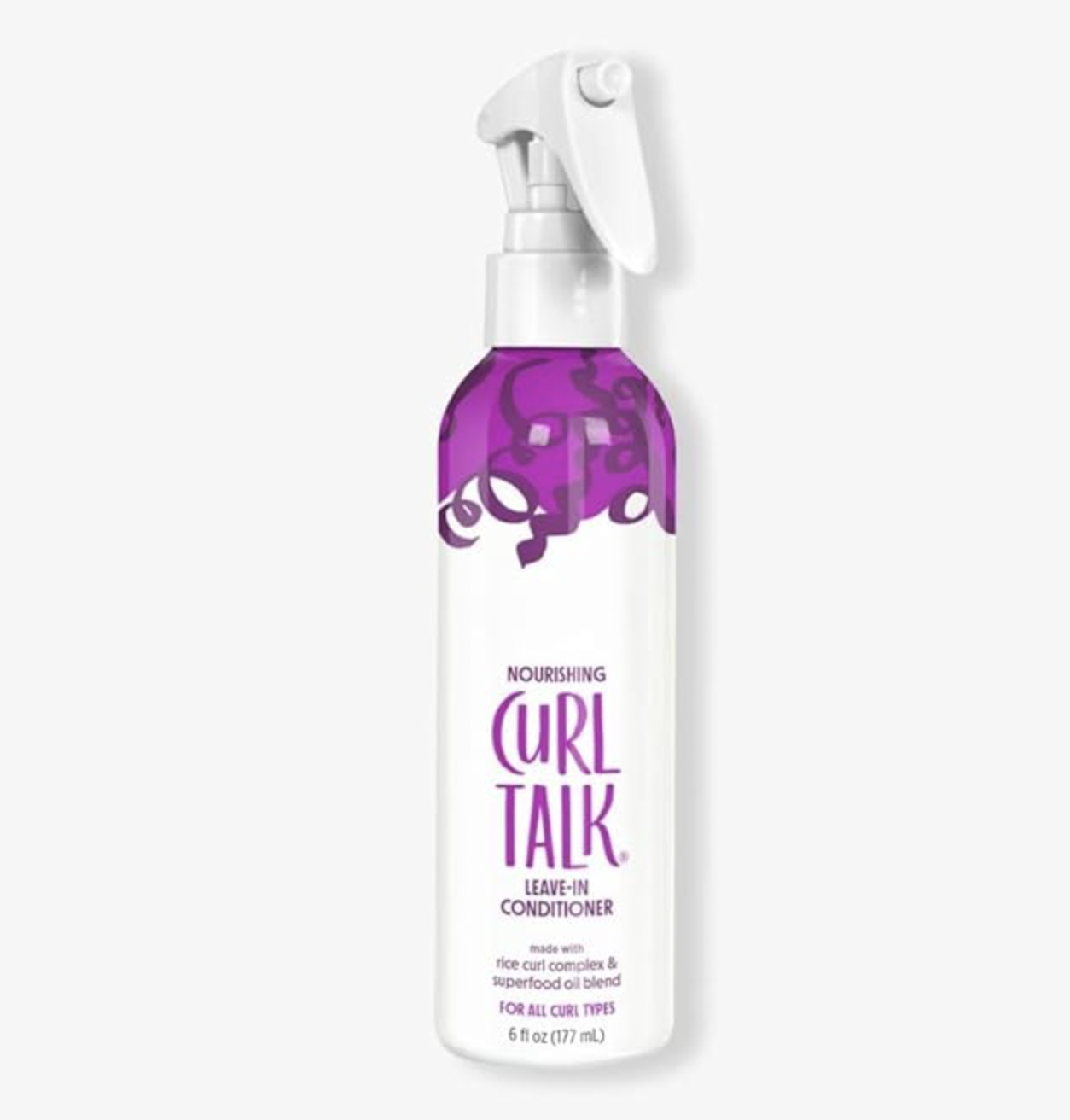
Not Your Mother's Curl Talk Leave-In Spray
Lightweight moisture that won't flatten waves • ~$8
Get It Here →2. Washing Too Infrequently
CGM says wash once or twice a week. For type 4 coils that produce very little sebum, this is great advice. For wavy hair? It's a recipe for a greasy, flat mess by day 3.
Wavy hair tends to be finer and oilier than tighter curls. The sebum from your scalp travels down the hair shaft faster because the wave pattern doesn't slow it down the way tight coils do. By day 3-4 without washing, your waves are weighed down by oil and completely lifeless.
The fix: Wash when your hair needs it - not when the internet tells you to. For most wavies, that's every 2-3 days. Some wash daily and their waves look better for it. There's no shame in clean hair.
3. Applying Product to Soaking Wet Hair
"Apply to soaking wet hair" is the universal curly hair commandment. And for tight curls, it works - water helps distribute thick products and the curl pattern is strong enough to hold shape as it dries.
Wavy hair is different. Too much water dilutes your product and adds even more weight. Your waves form, then slowly droop and stretch out as gravity pulls the water down. By the time your hair dries, you've got mostly straight hair with a few bends.
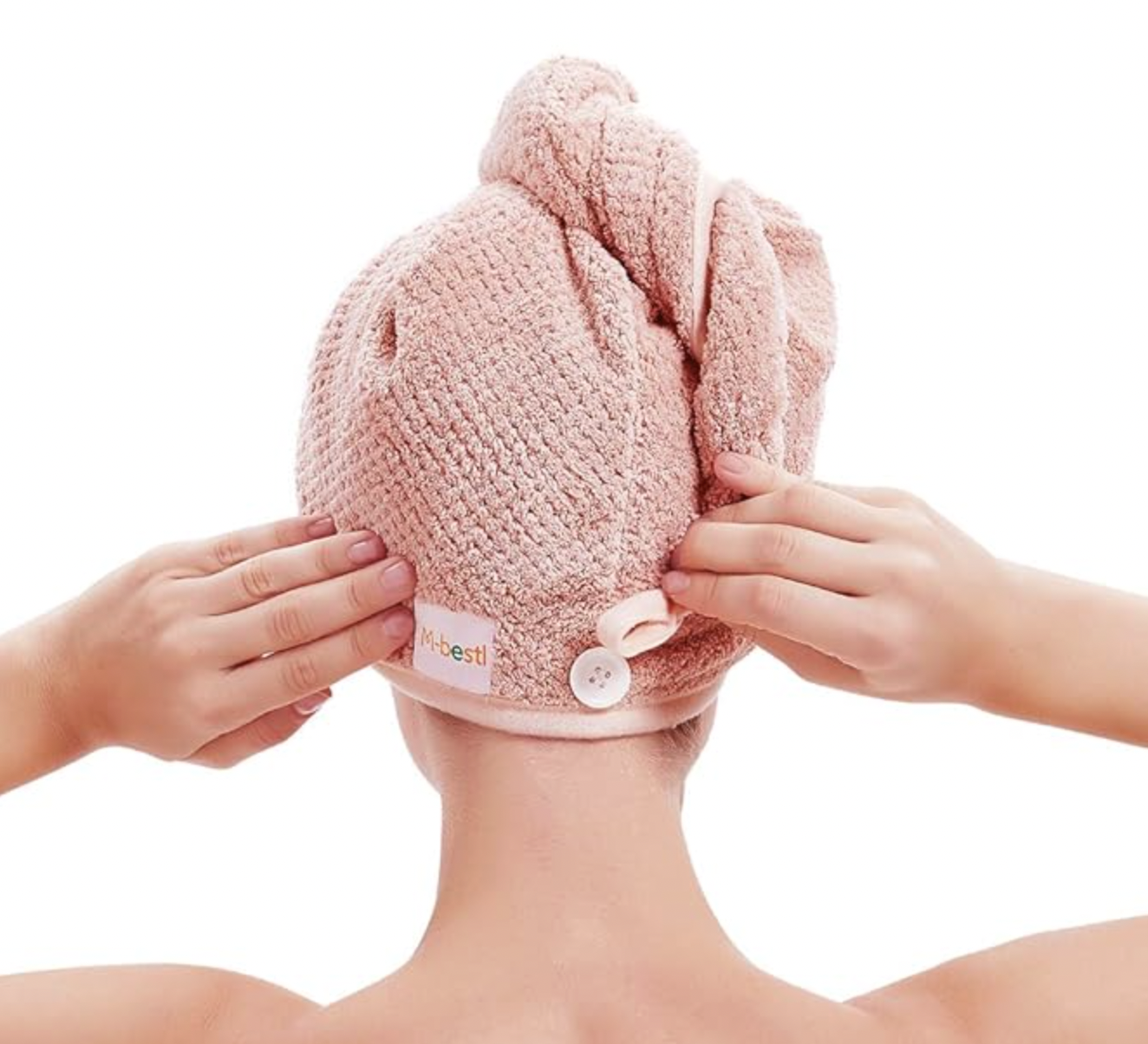
The fix: Apply products to damp hair, not dripping wet. After conditioning, gently scrunch out excess water with a microfiber towel until your hair is about 60-70% wet. Then apply your styler. The reduced water weight lets your waves hold their shape as they dry.
4. Expecting a Gel Cast
The "scrunch out the crunch" moment is gospel in the curly community. Apply gel, let it dry into a hard cast, scrunch it out, and reveal soft defined curls.
Many wavies apply gel, wait an hour, and... nothing. No cast. Or a weak, patchy cast that scrunches out into frizz instead of definition. They assume they used the wrong gel or not enough product. So they add more. Which adds more weight. Which kills their waves.
The fix: A full gel cast isn't always the goal for waves. Some wavy hair does great with a light gel and a soft cast. Others do better skipping gel entirely and using a mousse or a very light curl cream. If gel hasn't worked after 3 tries with different amounts, it might just not be your product.
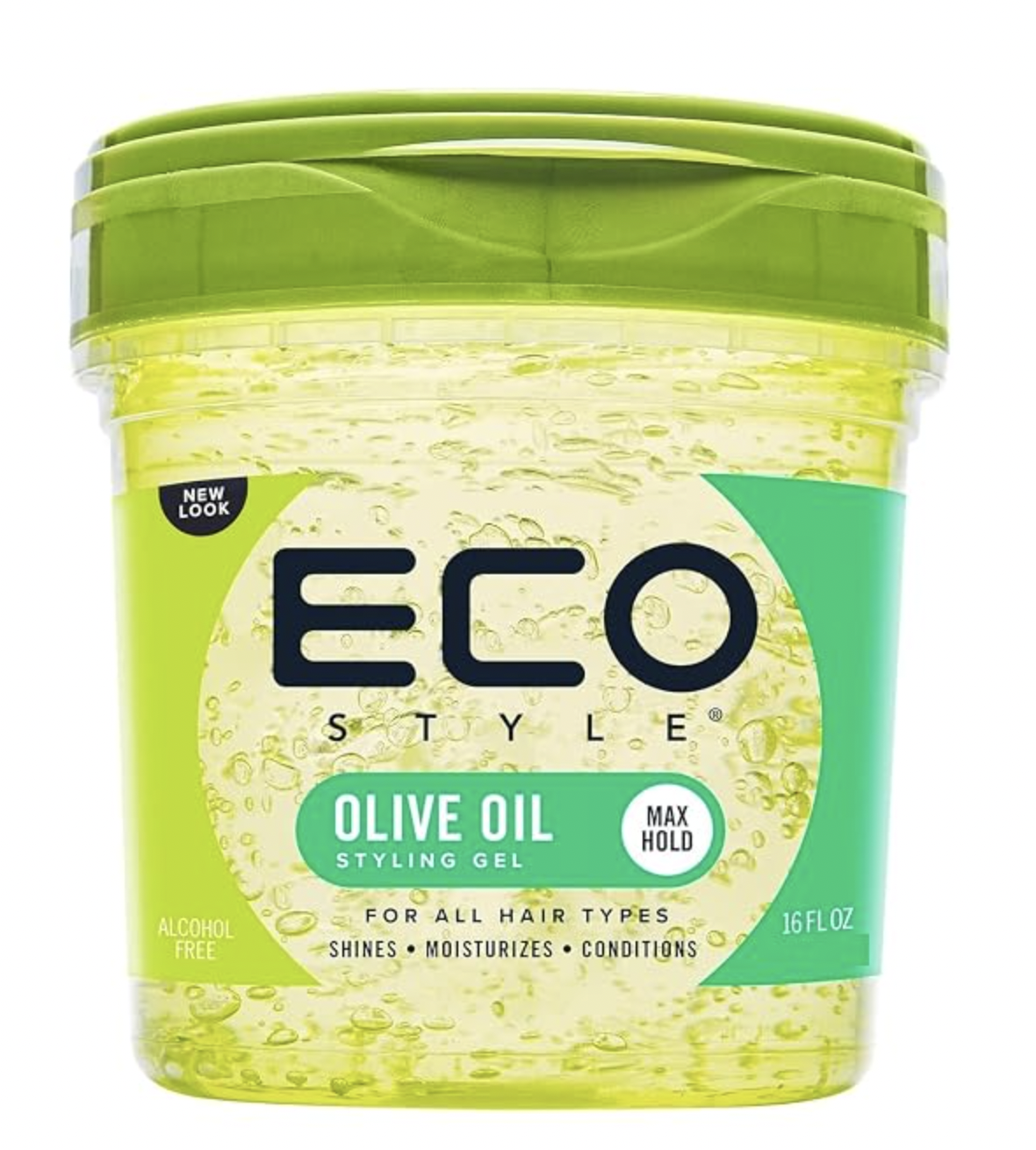
If You Do Use Gel: Eco Style Olive Oil
Use a quarter-sized amount max for waves • ~$4
Get It Here → Read our full review →5. Avoiding All Sulfates Like They're Poison
CGM rule #1: no sulfates, ever. The reasoning is that sulfates strip natural oils from curly hair, which is already dry. Makes sense - for curly and coily hair.
Wavy hair? You often need that cleansing power. Sulfate-free shampoos can leave buildup on fine, wavy hair that never fully rinses out. Over weeks and months, that invisible film accumulates, weighing your waves down and making them look limp and undefined.
The fix: Use a sulfate-free shampoo as your regular wash, but clarify with a gentle sulfate shampoo every 2-3 weeks. Think of it as a reset. You'll notice your waves bounce back to life after a clarifying wash - that's the buildup being removed.
6. Scrunching Too Aggressively
"Scrunch, scrunch, scrunch" is the curly hair mantra. For tight curls that need encouragement to clump, aggressive scrunching works. For waves, it creates frizz.
Wavy hair has a looser pattern that's easily disrupted. Every time you scrunch, you're breaking and re-forming wave clumps. Too much of this and you end up with a frizzy, undefined mess instead of smooth, flowing waves.
The fix: Scrunch gently and minimally. Two or three light scrunches per section is plenty. Better yet, try "glazing" instead - smooth product over your hair with flat palms, then gently scrunch the ends once. Let gravity and air do the rest.
7. Comparing Your Hair to Type 3 Curls
This one's not about technique - it's about expectations. Scrolling through curly hair content and seeing bouncy, defined ringlets can make your loose waves feel inadequate. "Why doesn't my hair do that?"
Because it's not supposed to. Your hair makes waves, not coils. A good wave day looks like beachy, textured, flowing hair with movement and body - not tight spirals. The sooner you stop trying to force your 2B waves into 3A curls, the sooner you'll actually enjoy your hair.
What good wavy hair actually looks like: Volume at the roots. Loose S-shaped bends through the mid-lengths. Texture without frizz. Movement when you turn your head. That's the goal - not ringlets.
A Wavy Hair Routine That Actually Works
Here's the stripped-down routine that most wavies find success with. Notice how short it is.
- Wash with a gentle sulfate-free shampoo (clarify every 2-3 weeks)
- Condition mid-lengths to ends only - rinse most of it out
- Scrunch out water with a microfiber towel until hair is damp, not wet
- Apply a spray leave-in or a tiny amount of light mousse
- Don't touch it. Air dry or diffuse on low heat. Hands off until fully dry
That's it. No layering 4 products. No praying hands followed by scrunching followed by plopping followed by diffusing for 45 minutes. Wavy hair rewards simplicity.
The Products
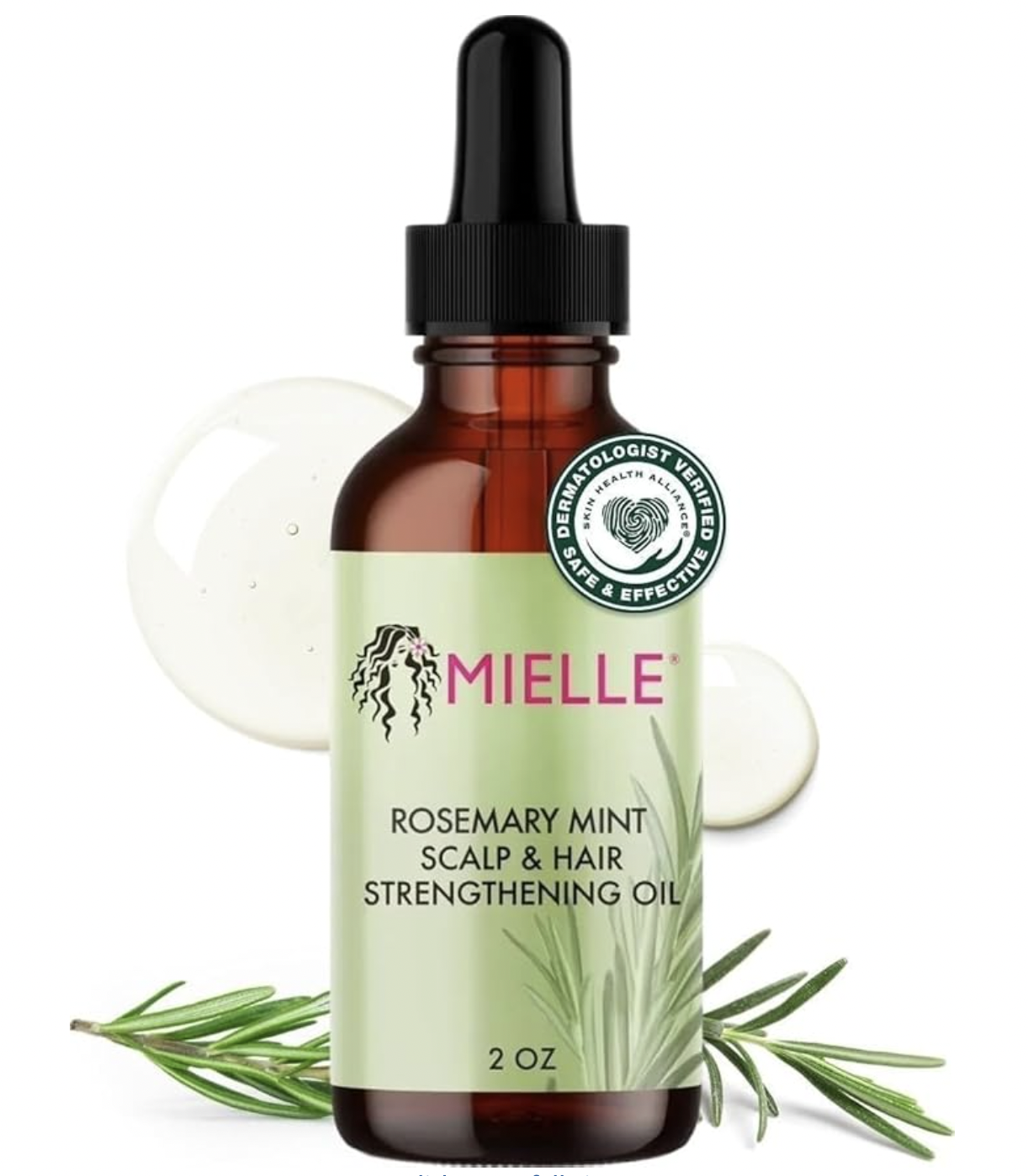
Optional Finish: Mielle Rosemary Mint Oil
One drop on dry hair smooths flyaways • ~$10
Get It Here →
Still Not Sure About Your Curl Type?
If you're not sure whether you're wavy (type 2) or curly (type 3), take our curl type quiz. It takes 60 seconds and gives you a personalized routine based on your answers.
Frequently Asked Questions
Is wavy hair the same as curly hair?
No. Wavy hair (Type 2) has a looser S-shaped pattern that lies flatter than curly hair (Type 3). It's typically finer, oilier, and gets weighed down more easily. Wavy hair needs lighter products and different techniques than curly or coily hair.
Should wavy hair follow the Curly Girl Method?
With modifications. Standard CGM advice like washing once a week and using heavy creams can actually make wavy hair flat and greasy. Wavies often do better washing every 2-3 days, using lightweight gels instead of creams, and skipping the heavy butters.
Why do my waves fall flat by the afternoon?
Usually it's product weight. Heavy creams, oils, and butters flatten wavy hair. Switch to lightweight sprays and gels, use less product than recommended, and make sure you're not skipping washes too long - oil buildup weighs waves down.