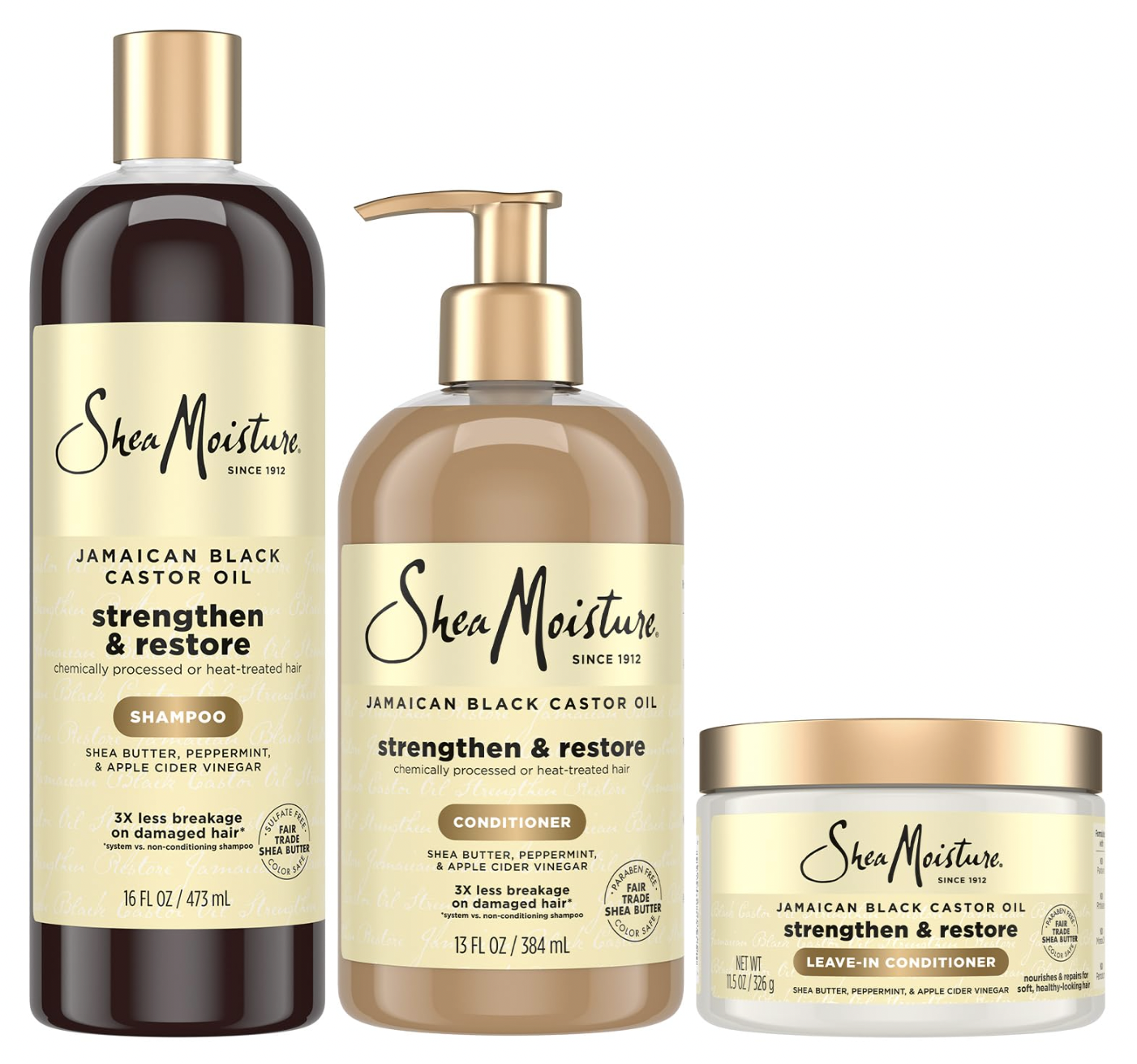
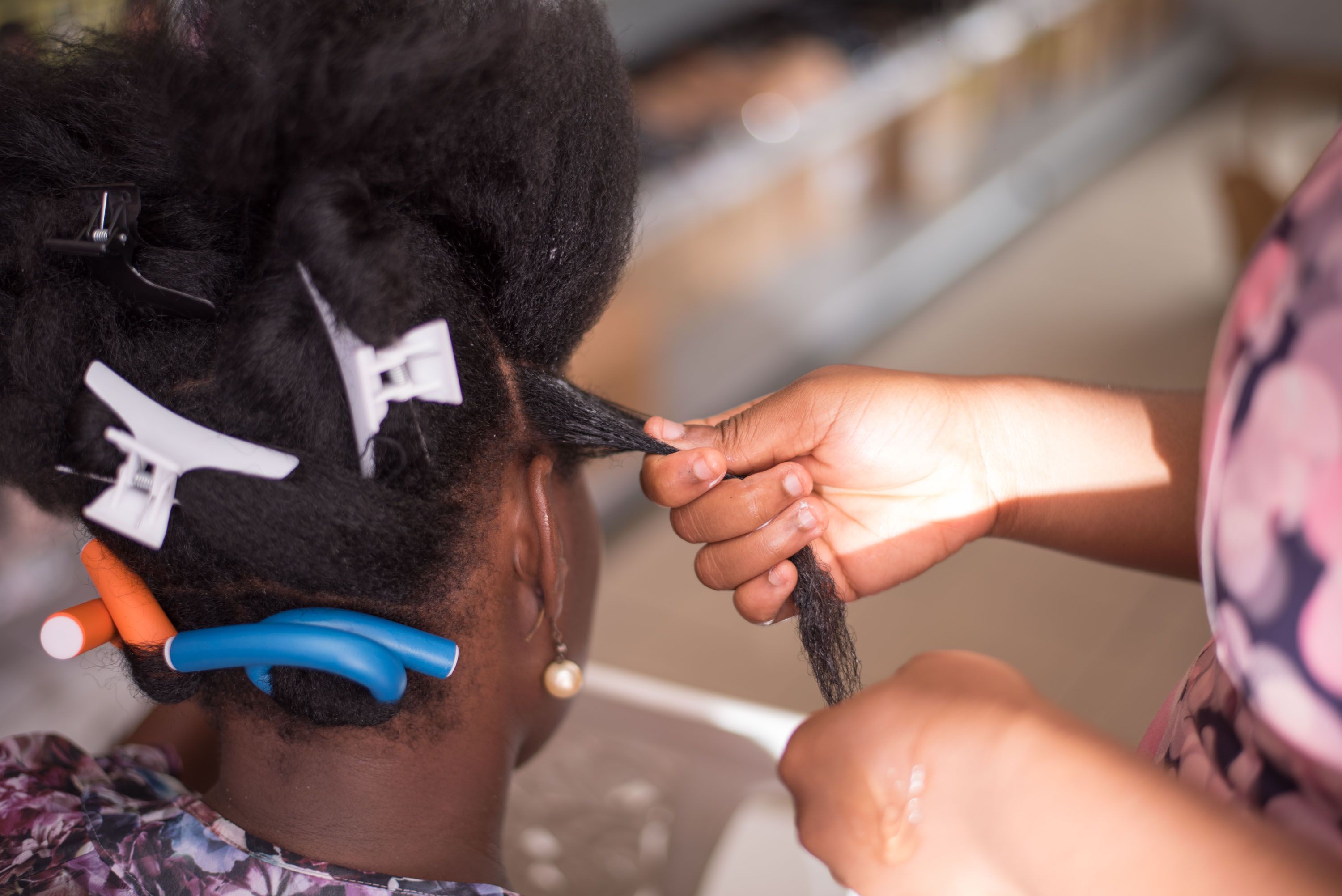
The Curly Girl Method changed everything. Before Lorraine Massey's 2001 book, most curly-haired people were blow-drying, flat-ironing, and fighting their natural texture. CGM taught a generation to put down the straightener and embrace the curl. That was revolutionary.
But somewhere along the way, CGM went from helpful framework to rigid religion. Ingredient police patrol Facebook groups. Beginners get shamed for using a product with a water-soluble silicone. People spend 3 hours on wash day following a 47-step routine they saw on TikTok. And when their hair still doesn't look like an influencer's? They blame themselves instead of the method.
It's 2026. CGM is 25 years old. Hair science has moved on. It's time we did too.
What CGM Gets Right (Credit Where It's Due)
Before we tear it apart, let's acknowledge what CGM nailed:
- Embrace your natural texture. This was genuinely transformative for millions of people who'd been taught their hair was "unruly" or "messy."
- Moisture is important. Curly hair is inherently drier than straight hair. Regular conditioning and moisture-focused products help.
- Be gentle with your hair. Less aggressive brushing, less heat, less manipulation - all good advice.
- Stop shampooing every day. For curly hair, daily shampooing strips too much moisture. This was solid advice in 2001 and still is now.
These core ideas are worth keeping. The problem isn't the philosophy - it's when the philosophy became a set of absolute rules that ignore nuance, science, and individual differences.
Myth #1: All Sulfates Are Evil
CGM says: Never use sulfates. They strip your hair and destroy your curls.
Reality: Dermatologists recommend occasional sulfate or clarifying washes every 2-4 weeks to remove product buildup, silicone residue, and hard water minerals. If you use styling products (and you probably do), that buildup accumulates over time. Sulfate-free shampoos can't fully remove it.
Signs your no-sulfate commitment is backfiring:
- Curls are limp and lifeless even right after wash day
- Your scalp is itchy or flaky
- Products that used to work great have stopped performing
- Hair feels coated or waxy
We wrote an entire article on why sulfates aren't bad for curly hair - read that for the full breakdown. The short version: sulfate-free for regular wash days, clarifying every 2-4 weeks. Balance, not avoidance.
Myth #2: All Silicones Are Bad
CGM says: Silicones coat the hair shaft, block moisture, and cause buildup. Avoid them entirely.
Reality: This is the most oversimplified rule in CGM. Not all silicones are the same:
- Water-soluble silicones (cyclomethicone, dimethicone copolyol, PEG-modified dimethicone) - rinse out easily with regular shampoo. No buildup issues. These provide smoothing, frizz control, and heat protection without any of the downsides CGM warns about.
- Lightweight silicones (cyclopentasiloxane) - evaporate after application. They literally disappear.
- Non-water-soluble silicones (dimethicone, amodimethicone) - these can build up, but they're easily removed with an occasional clarifying wash. And they're incredibly effective at reducing frizz and protecting hair.
The real question isn't "does this product contain silicones?" - it's "am I clarifying often enough to prevent buildup?" If you clarify every 2-4 weeks, you can use virtually any silicone without issues.
Our take: The blanket silicone ban costs you access to some genuinely excellent products. Many of the best heat protectants, anti-frizz serums, and smoothing treatments contain silicones - because they work. Use them, and clarify regularly. Problem solved.
Myth #3: Never Use Heat
CGM says: Heat damages curls. Air dry only.
Reality: This one is the most damaging myth of all - literally. Here's why:
- Air drying isn't damage-free. Hair is weakest when wet. The longer it stays wet, the more the cortex swells, and the more vulnerable it is to breakage from movement, friction, and manipulation. Research shows that air drying for extended periods can cause more internal damage to the hair cortex than blow drying on a moderate setting.
- Diffusing is recommended by most curl specialists. A diffuser on low-medium heat is one of the best tools for curly hair. It speeds up drying (reducing wet-hair vulnerability), sets curl definition, and adds volume. The vast majority of professional curly hair stylists diffuse.
- Your curl pattern is genetic. Using a flat iron occasionally won't permanently change your curl pattern. Heat damage from daily, high-heat styling is real. But occasional heat with a protectant? Your curls will bounce right back.
We have an entire guide to the best diffusers - because diffusing is one of the single best things you can do for curl definition.
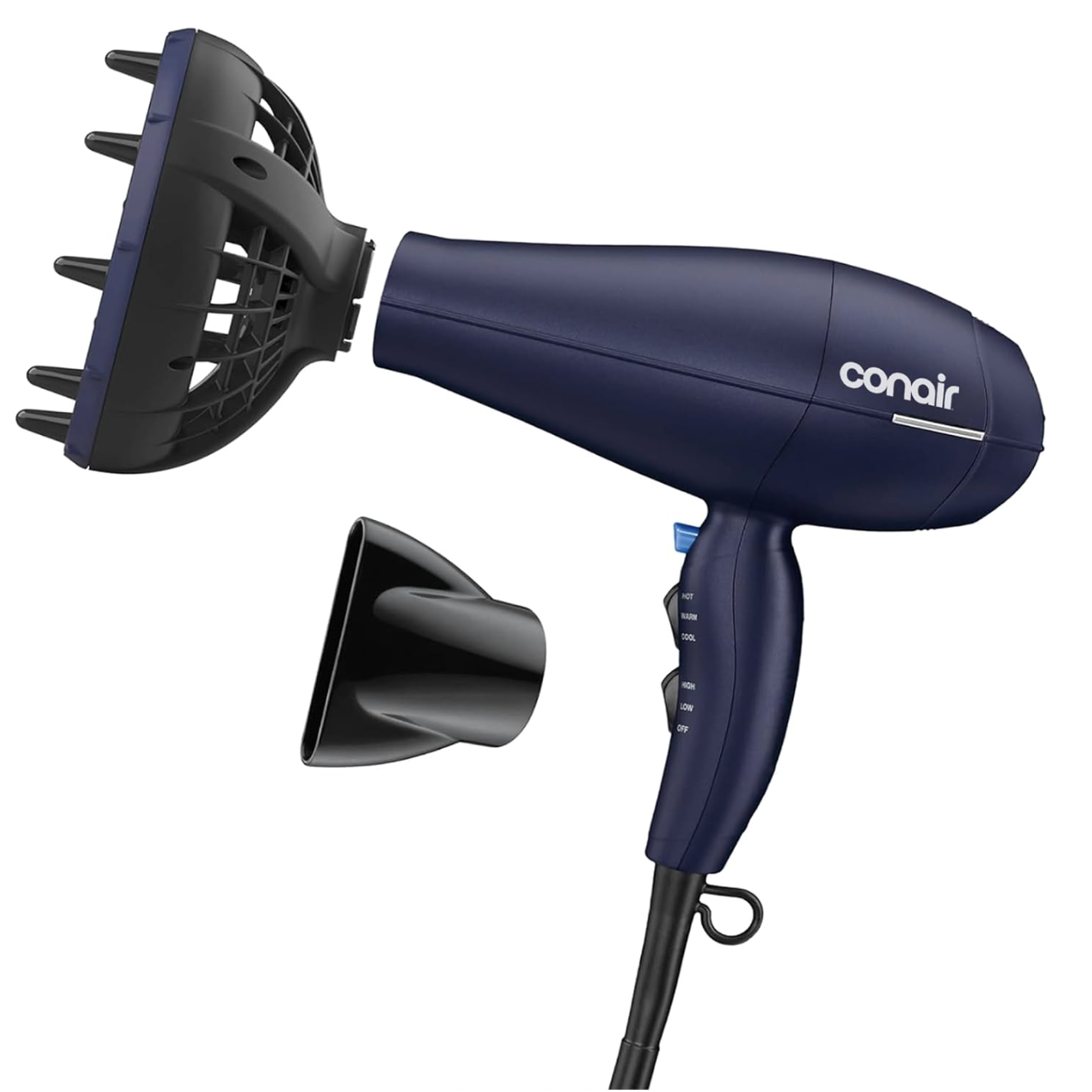
INFINITI PRO CONAIR Hair Dryer with Diffuser
Built-in diffuser • Ionic technology • ~$34
Get It Here →Myth #4: Never Brush Your Hair
CGM says: Only detangle with fingers or a wide-tooth comb on soaking wet hair with conditioner.
Reality: This depends entirely on your curl type and what you're trying to achieve.
- The Denman brush is literally one of the most popular curly hair tools in existence - and it's a brush. It creates incredible clump definition on type 2C-4A curls. CGM purists would technically ban it.
- Detangling brushes (like Wet Brush) are designed to glide through knots with minimal breakage. For many people, they're gentler than finger detangling, which can cause more pulling and breakage.
- Brushing dry is fine for some curl types. Many wavy-haired people (2A-2C) get better results brushing dry and then scrunching in product. It gives volume and prevents the stringy, over-defined look that can happen with wet-only styling.
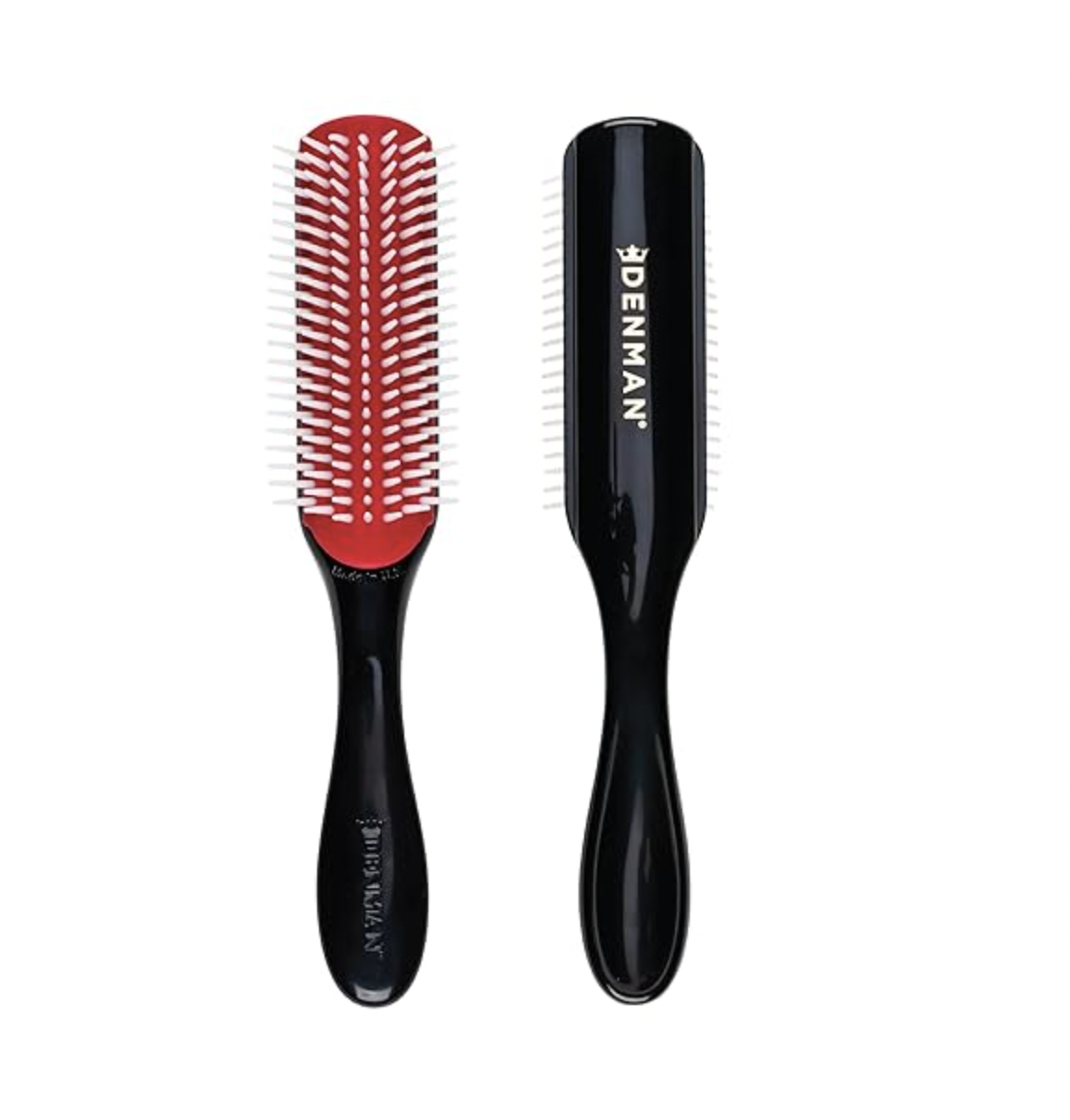
Our take: "Never brush" should be "don't aggressively brush dry, tightly curled hair." That's it. For everything else, the right brush used the right way is a game changer.
Myth #5: If It's Not "CGM Approved," It's Bad
This is where CGM goes from well-intentioned to toxic. The curly community has spawned entire websites and apps dedicated to scanning ingredient lists and declaring products "approved" or "not approved." People spend more time analyzing INCI names than actually taking care of their hair.
Problems with the "CGM approved" mindset:
- It creates unnecessary anxiety. Hair care should not require a chemistry degree. If a product makes your hair look and feel good, it's working.
- It gatekeeps good products. Some of the best-performing curl products contain water-soluble silicones or mild sulfates. The CGM police would reject them. Your hair would love them.
- It ignores individual differences. A product that's "approved" can still be wrong for your specific hair. And a product that's "not approved" might be exactly what you need. Your hair doesn't read ingredient labels.
- It creates brand loyalty for the wrong reasons. People choose products because they're CGM-compliant, not because they actually perform well. That's backwards.
The only question that matters: Does this product make my hair healthy, defined, and manageable? If yes, use it. If no, stop using it. The ingredient list is a tool for understanding why something works or doesn't - not a moral judgment.
What Actually Works: Modified CGM
The curly hair community is already moving toward what we'd call "Modified CGM" - keeping the philosophy, dropping the dogma. Here's what that looks like:
| Topic | Strict CGM | Modified CGM (What We Recommend) |
|---|---|---|
| Sulfates | Never | Sulfate-free daily, clarify every 2-4 weeks |
| Silicones | Never | Water-soluble are fine; non-water-soluble OK if you clarify |
| Heat | Never | Diffuse freely; occasional flat iron with protectant is OK |
| Brushes | Never (fingers/wide-tooth only) | Use what works for your curl type |
| Products | Must be "CGM approved" | Use what makes your hair look and feel good |
| Wash frequency | As infrequently as possible | When your hair and scalp need it (1-3x per week for most) |
A Realistic Curly Hair Routine (No Rules)
Here's a simple, flexible routine that takes the best of CGM without the rigidity. Adapt it to your curl type, lifestyle, and preferences.
Regular Wash Day (1-2x per week)
- Shampoo your scalp with a gentle, sulfate-free shampoo
- Condition mid-lengths to ends - detangle with your tool of choice (fingers, comb, or brush)
- Apply styling products on soaking wet hair - a leave-in, curl cream, and/or gel depending on your curl type
- Diffuse or air dry - either is fine, diffusing gives better definition and volume
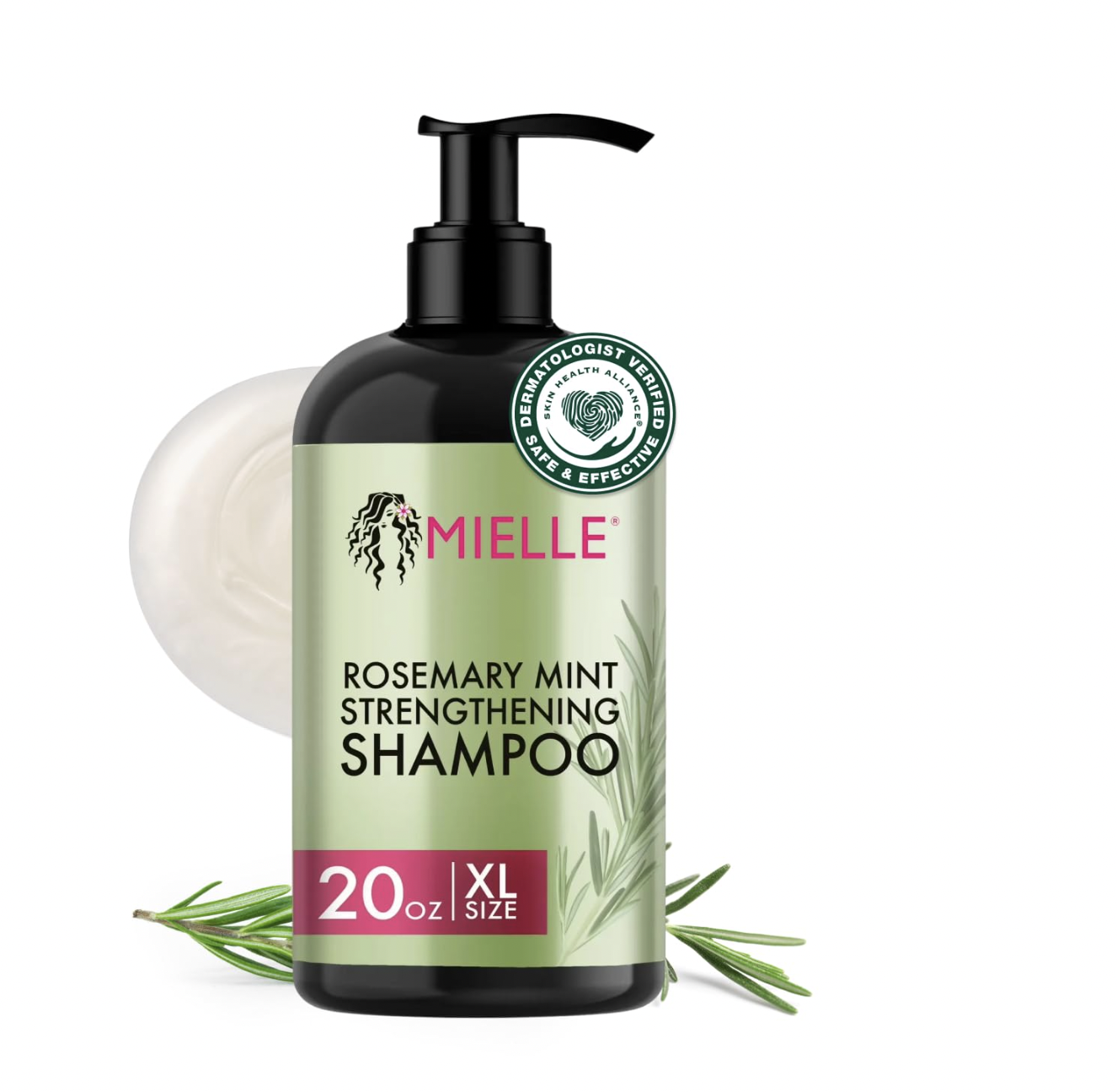
Clarifying Day (Every 2-4 weeks)
- Wash with a clarifying shampoo (one with sulfates) - focus on the scalp
- Deep condition for 15-30 minutes - your hair is wide open and will absorb more than usual
- Style as normal
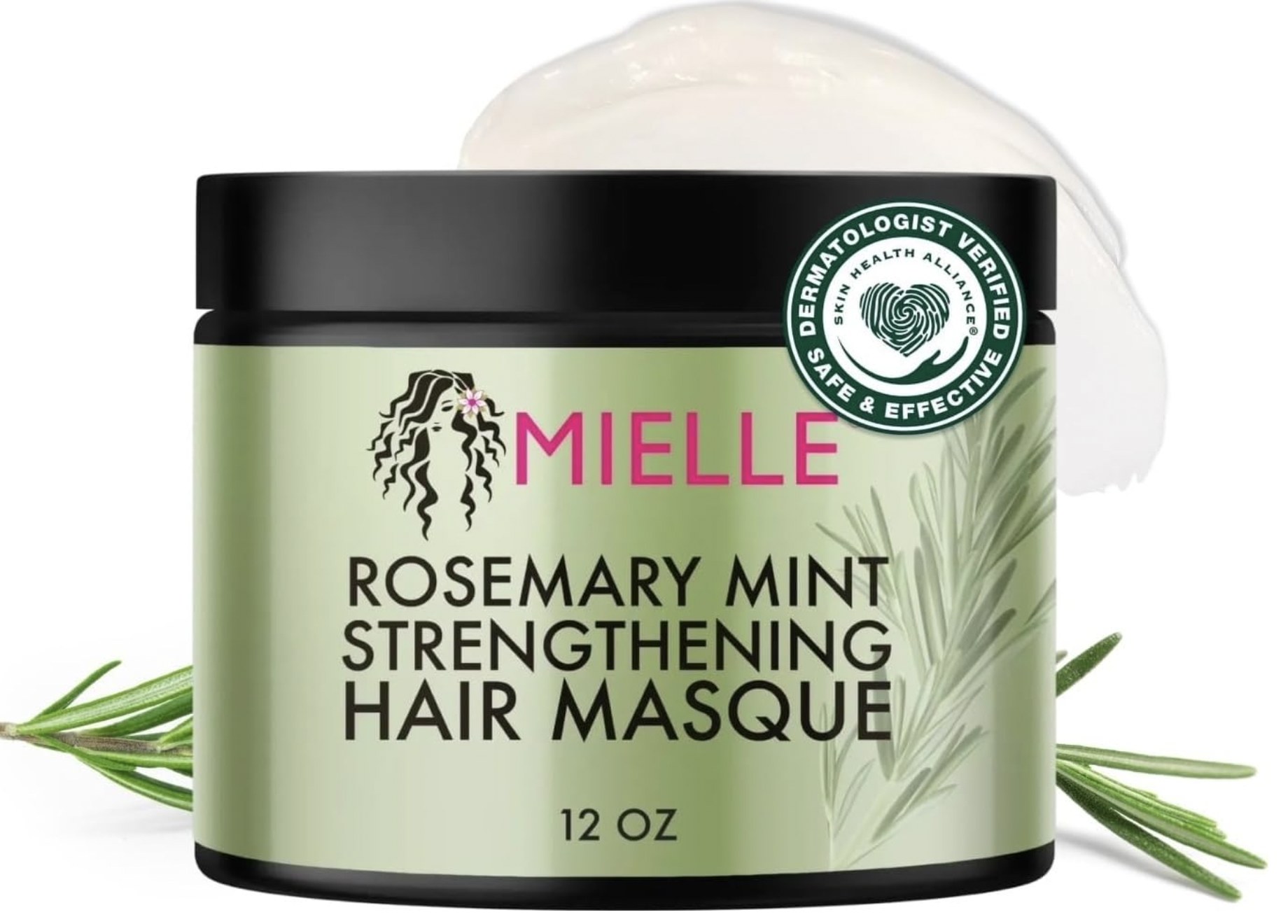
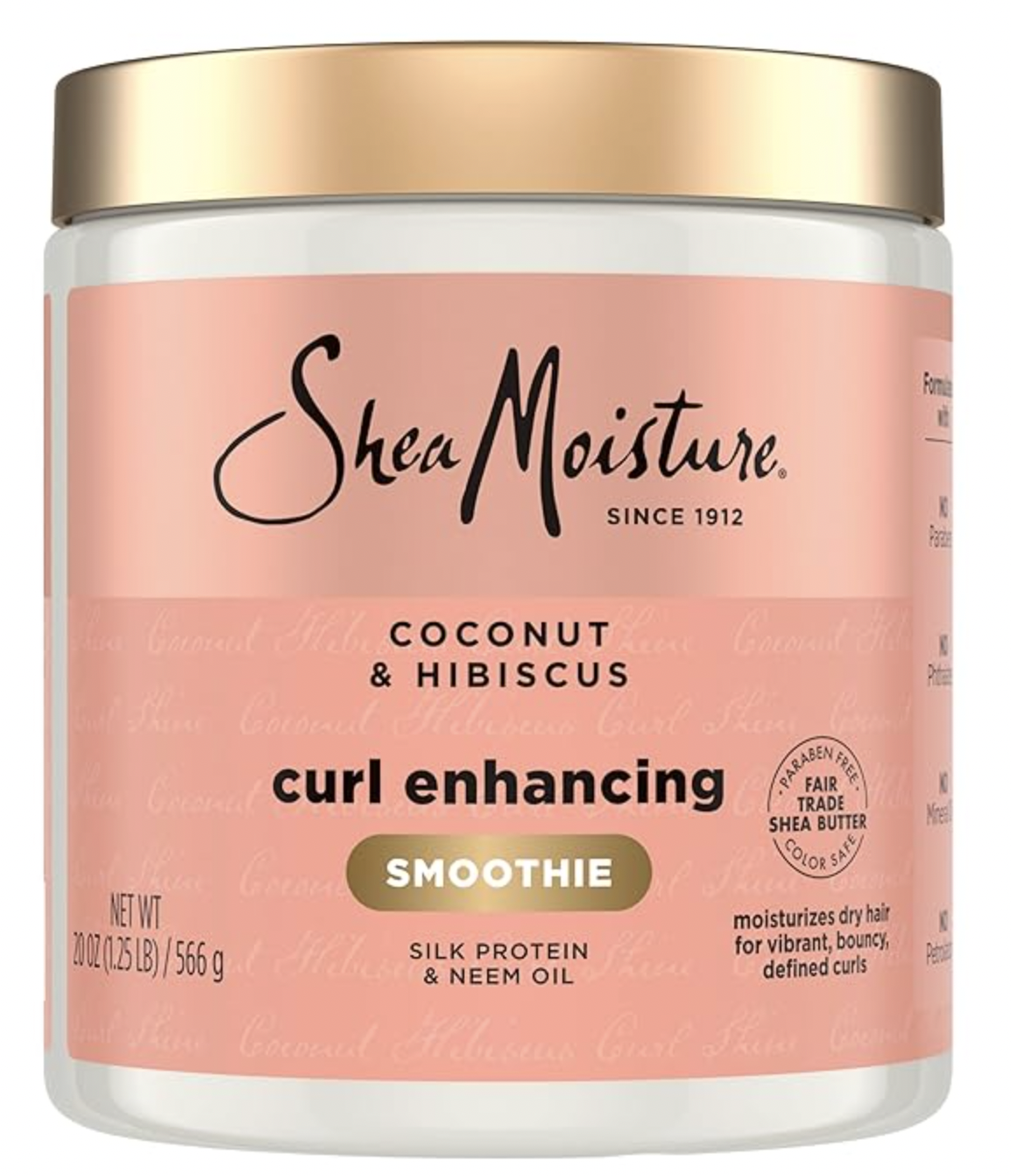
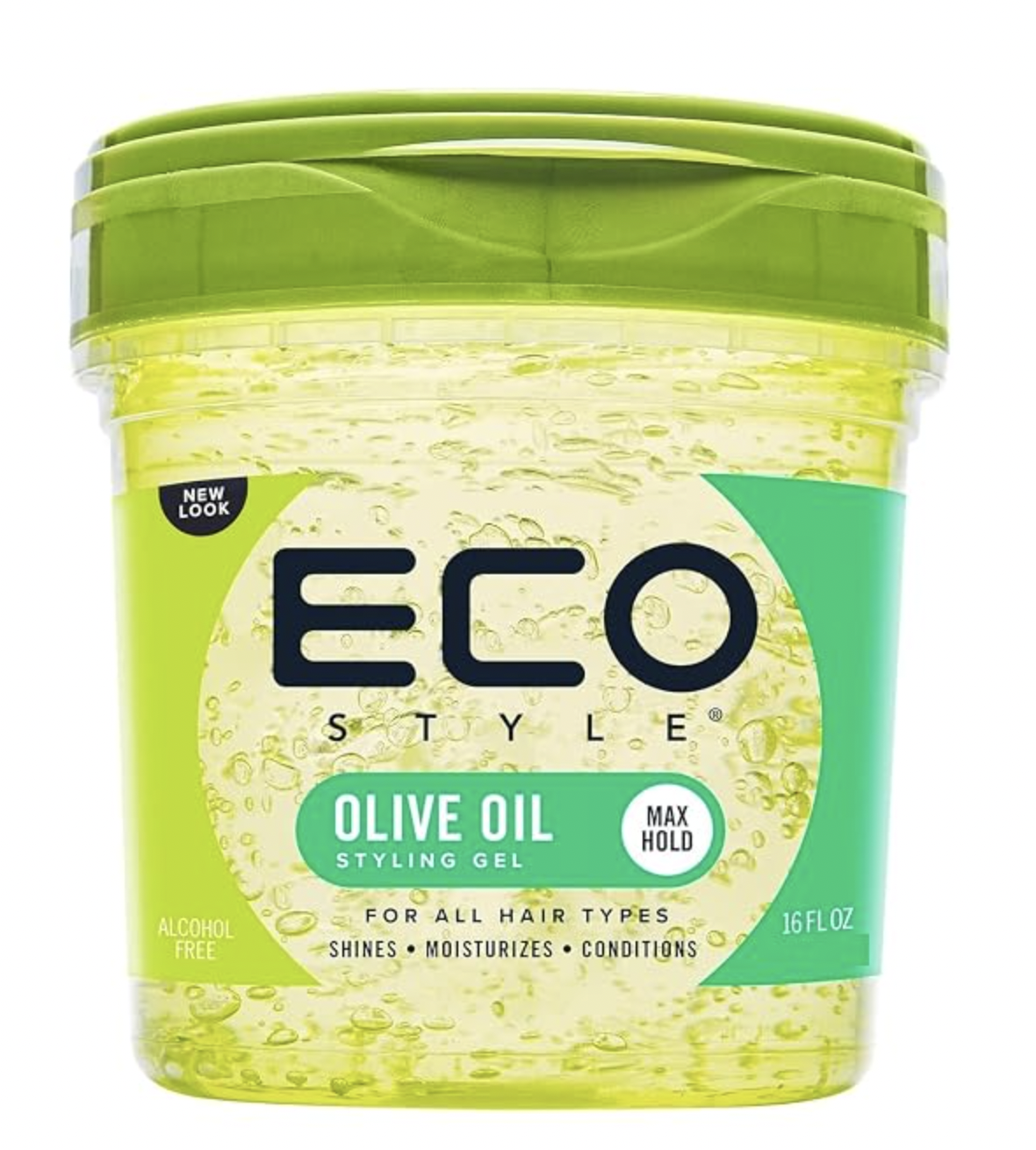
Styling Products We Actually Recommend
These work regardless of whether they pass a CGM ingredient checker:
For a complete product list by category, check our Top Picks or take the Curl Type Quiz for personalized recommendations.
Frequently Asked Questions
Is the Curly Girl Method worth it?
The core ideas are worth it: embrace your texture, moisturize regularly, be gentler with your hair. But strict CGM - with its absolute bans on sulfates, silicones, heat, and brushes - is unnecessarily restrictive and doesn't account for different curl types, climates, or lifestyles. A modified approach works better for most people.
Why are people leaving the Curly Girl Method?
Common reasons: product buildup from never clarifying, limp hair from avoiding effective silicone-based products, anxiety over ingredient lists, 2-3 hour wash day routines that aren't sustainable, and the realization that "CGM approved" doesn't mean "works for my hair." Most people who leave adopt a flexible routine that keeps CGM's best ideas without the rigid rules.
Are silicones bad for curly hair?
Not all of them. Water-soluble silicones rinse out easily and provide excellent frizz control and smoothing without buildup. Even non-water-soluble silicones are fine if you clarify every 2-4 weeks. The CGM blanket ban on all silicones is outdated and overly simplistic.
Can you use heat tools on curly hair?
Yes. Diffusing on low-medium heat is widely recommended by curl specialists and actually reduces damage compared to extended air drying (wet hair is fragile hair). Occasional straightening with a heat protectant won't permanently change your curl pattern. Daily high-heat styling is what causes real damage - not occasional use.
What is modified CGM?
Modified CGM keeps CGM's best principles (embracing natural texture, regular moisturizing, gentle handling) while dropping the strict rules. It allows sulfate clarifying washes, water-soluble silicones, diffusing, and using whatever products work best for your specific hair type and lifestyle.
We independently research and recommend these products. As an Amazon Associate, we earn from qualifying purchases at no extra cost to you.