Say the word "sulfate" in a curly hair group and watch people react like you said a slur. The Curly Girl Method banned them. Influencers demonize them. Brands plaster "sulfate-free" on everything like it's a badge of honor.
But here's the thing: dermatologists don't agree with the blanket sulfate ban. And if you've ever noticed your curls getting progressively limper, your scalp getting flakier, or your products just... not working anymore? Sulfate avoidance might actually be the problem.
Let's break down what sulfates actually do, why the curly community got this wrong, and how to use them correctly.
What Are Sulfates, Actually?
Sulfates are surfactants - cleaning agents that create lather and remove oil, dirt, and product from your hair and scalp. The two most common in shampoos are:
- Sodium Lauryl Sulfate (SLS): The stronger one. Very effective at cleansing, but can be drying with daily use.
- Sodium Laureth Sulfate (SLES): A milder version of SLS. Still effective but less stripping. This is what most mainstream shampoos use.
That's it. They're cleaning agents. They've been used in shampoos for over 70 years. They're not toxic, they're not carcinogenic (that's a debunked internet myth), and they don't permanently damage hair.
What they can do is strip natural oils if used too frequently - which is why daily sulfate washing isn't ideal for curly hair. But "don't use daily" and "never use ever" are very different statements.
Why the Curly Community Banned Them
The sulfate ban traces back to Lorraine Massey's 2001 book Curly Girl: The Handbook, which popularized the Curly Girl Method (CGM). The core idea was sound:
- Curly hair is naturally drier than straight hair because sebum (scalp oil) has a harder time traveling down the twists and turns of a curl
- Harsh, daily shampooing strips what little oil reaches the mid-lengths and ends
- Cutting out sulfates helps retain moisture
This made sense as a corrective to the 1990s/2000s era when people were shampooing daily with harsh formulas. But the community took it further: sulfates went from "use less often" to "never use at all." And that's where the problems started.
Our take: The CGM was revolutionary for helping people embrace their natural texture. But it was written in 2001. Hair science has evolved. The community turned a reasonable guideline into an absolute rule - and absolute rules rarely survive contact with reality.
What Dermatologists Actually Say
Here's what board-certified dermatologists and trichologists (hair and scalp specialists) consistently recommend:
- Sulfate-free shampoo for regular wash days - gentler cleansing that preserves moisture. This part, the curly community got right.
- A clarifying or sulfate-containing shampoo every 2-4 weeks - to properly remove buildup that gentle shampoos can't handle.
- Scalp health is non-negotiable - a clean scalp is the foundation of healthy hair growth. Product buildup on the scalp can clog follicles, cause inflammation, and contribute to hair thinning.
Dr. Iris Rubin, dermatologist and founder of SEEN Hair Care, puts it simply: "Sulfate-free shampoos are gentler, but they may not adequately remove all product residue. Periodic clarifying is important for scalp health."
The consensus isn't "sulfates are great, use them daily." It's: "sulfate-free for most days, sulfates occasionally for reset." That's a balanced approach the curly community should embrace.
The Buildup Problem Nobody Talks About
Here's the irony: the curly hair community uses more product than almost any other hair group. Curl creams, gels, leave-ins, oils, deep conditioners, refresh sprays - layered on top of each other, wash after wash.
And if you're only using sulfate-free shampoo? That buildup never fully comes off.
Signs you have product buildup:
- Curls are limp and lifeless - no bounce, no volume, even right after wash day
- Products stopped working - your holy grail gel doesn't hold like it used to
- Hair feels coated or waxy - like there's a film on it even when "clean"
- Scalp is itchy or flaky - buildup on the scalp causes irritation and can mimic dandruff
- Frizz got worse - buildup prevents moisture from penetrating the hair shaft
- Color looks dull - residue sits on top of the cuticle and blocks shine
The worst offenders for buildup:
- Silicones (dimethicone, cyclomethicone) - these literally cannot be removed without sulfates or a strong surfactant. If you use any silicone-containing products and never clarify, you're just layering plastic on top of plastic.
- Heavy butters and oils (shea butter, castor oil) - amazing for moisture, but they accumulate over time.
- Polyquats and polymers - common in gels and styling products for hold. They build up on the hair shaft.
- Hard water minerals - calcium and magnesium deposits from your shower. No amount of sulfate-free shampoo removes these.
Our take: If you've been strictly sulfate-free for months or years and your hair has gotten progressively worse, try one clarifying wash. Seriously. The difference can be dramatic - bouncy, defined curls returning overnight. It's not that sulfate-free doesn't work; it's that even gentle cleansers need a deep reset sometimes.
When You Actually Need a Sulfate Wash
You don't need sulfates every wash day. But here's when you definitely do:
Every 2-4 weeks: Monthly reset
Use a clarifying shampoo to remove accumulated product, oils, and minerals. Think of it as a deep clean for your hair - like how you'd deep clean your house periodically even if you tidy daily.
After swimming
Chlorine and salt water bond to hair proteins. A sulfate-free shampoo won't fully remove them. One sulfate wash post-swim prevents the dry, straw-like texture swimmers get.
Before a deep treatment
Deep conditioners and hair masks work best on clean, buildup-free hair. If there's product residue coating your strands, the treatment can't penetrate. Clarify first, then deep condition - you'll notice a massive difference.
When you switch products
Old product residue can interfere with new products. Start with a clean slate so you can actually judge if the new product works for you.
If your scalp is acting up
Itching, flaking, or tenderness can be caused by buildup-related irritation. A proper clarifying wash often solves "dandruff" that's actually just dirty scalp.
How to Use Sulfates Without Drying Out Your Curls
The key is technique. Sulfates won't damage your curls if you use them correctly:
- Focus on the scalp, not the lengths. Lather the shampoo on your scalp only. The suds will cleanse your lengths as you rinse - you don't need to scrub shampoo into your ends.
- Don't repeat. One lather is enough. "Lather, rinse, repeat" was invented by shampoo companies to sell more product.
- Follow immediately with a deep conditioner. After clarifying, your hair is stripped and wide open. This is actually the best time for a deep conditioner or hair mask - it'll absorb better than ever.
- Use a sulfate shampoo, not dish soap or baking soda. We've seen people recommend Dawn dish soap for clarifying. Please don't. Shampoo sulfates are formulated for hair. Dish soap is formulated for grease on plates.
- Limit frequency. Every 2-4 weeks for most curly hair types. Fine/wavy hair (2A-2C) may benefit from every 1-2 weeks. Coily hair (4A-4C) can go 3-4 weeks between clarifying washes.
Best Shampoos: Sulfate-Free for Daily + Clarifying for Reset
The ideal setup is two shampoos: a gentle sulfate-free for regular wash days and a clarifying shampoo for monthly resets. Here's what we recommend:
For Regular Wash Days (Sulfate-Free)
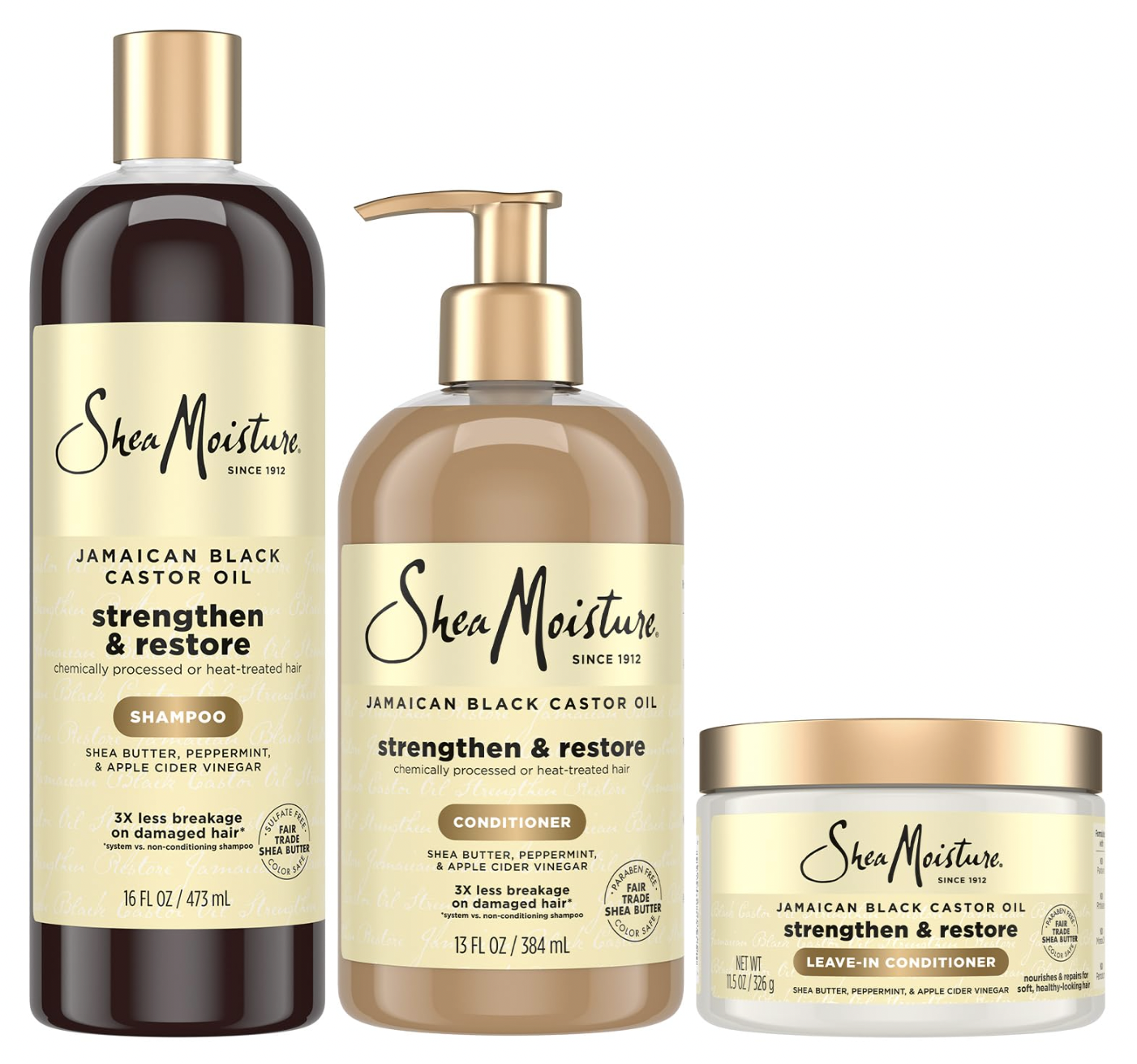
Sulfate-free, strengthening, and moisturizing. Cleanses without stripping. The Jamaican black castor oil formula is particularly good for thicker, coilier textures that need gentle cleansing with added strength. Use this for your regular 1-2x per week wash days.
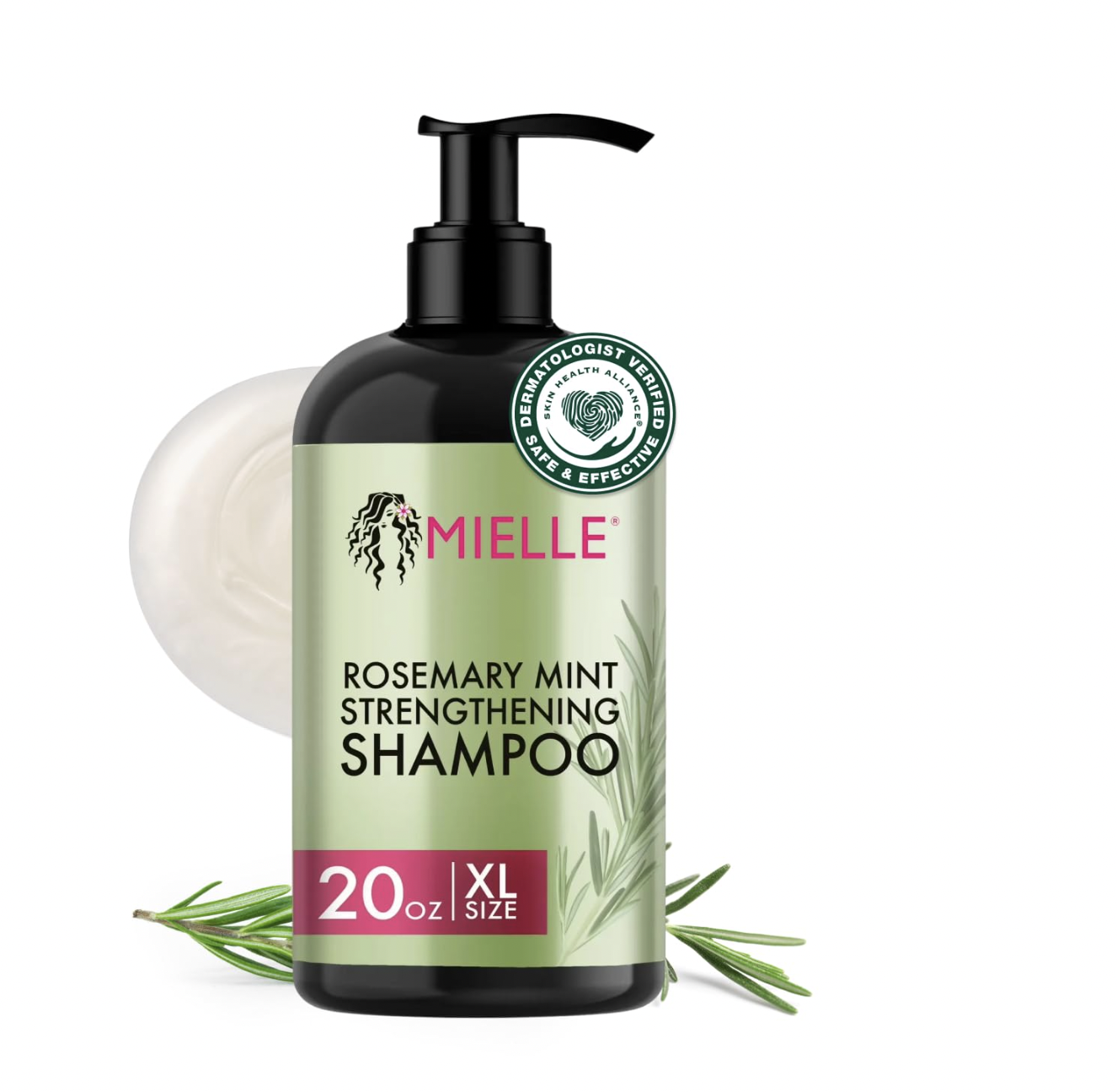
Another excellent sulfate-free option with a tingling mint sensation that feels like a scalp massage. The rosemary and biotin formula strengthens while cleansing. Great for all curl types, especially if you're in the Mielle ecosystem already.
For Monthly Reset (Clarifying)
For your every-2-4-week clarifying wash, you want a shampoo with sulfates or strong surfactants. Look for "clarifying" on the label. A few well-regarded options:
- Neutrogena Anti-Residue Clarifying Shampoo - the classic. One wash strips everything. Follow with a deep conditioner immediately.
- Suave Essentials Daily Clarifying Shampoo - under $3, gets the job done. No frills, just clean hair.
- Kinky-Curly Come Clean Natural Moisturizing Shampoo - a gentler clarifying option with mandarin orange extract. Good for those who want clarifying power without the harshest sulfates.
After Clarifying: Deep Condition
Always follow a clarifying wash with moisture. These are our top picks:
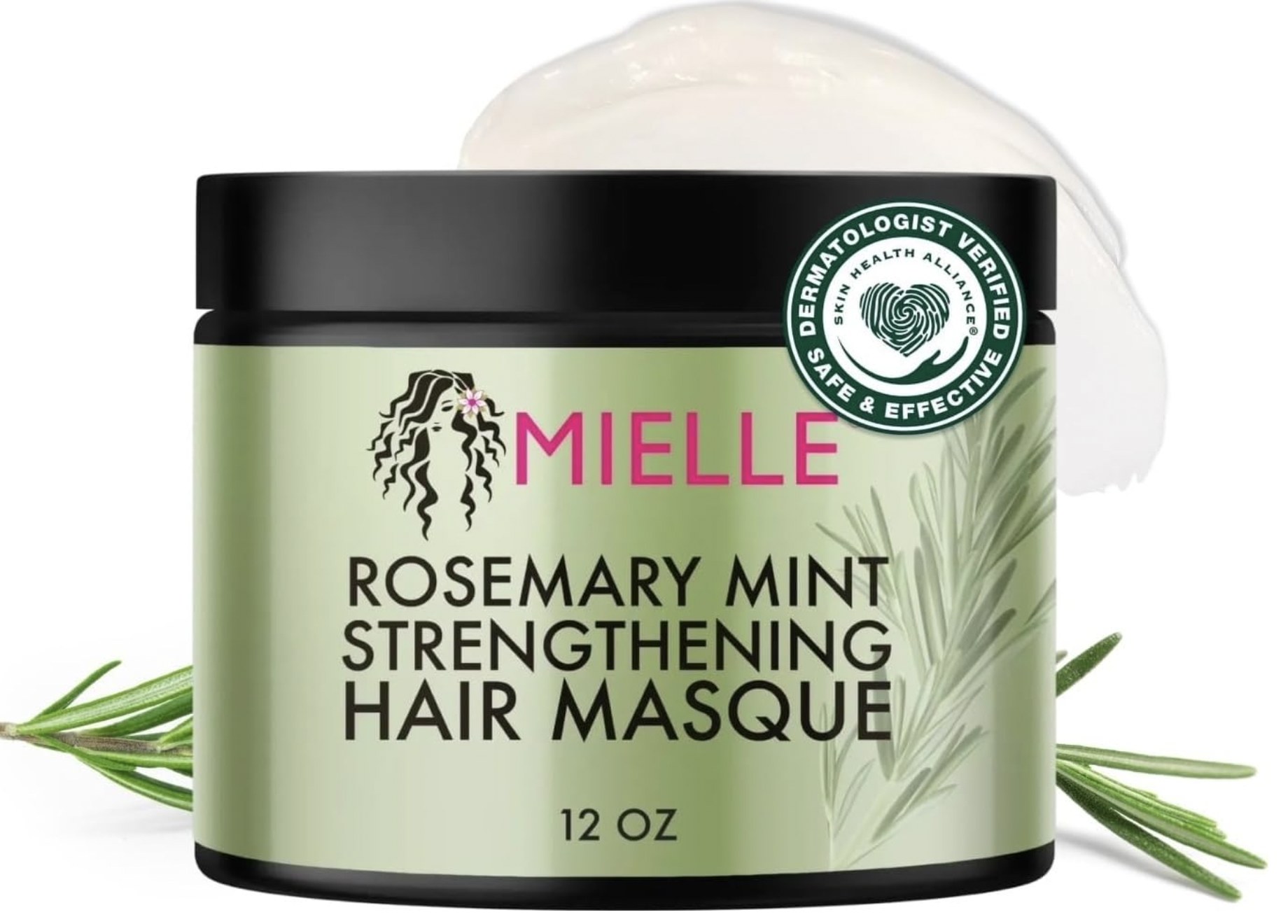
The perfect post-clarifying treatment. Deep conditions and strengthens at the same time. After a sulfate wash strips away buildup, this masque can penetrate properly and deliver maximum moisture and repair. At $8, it's a steal.
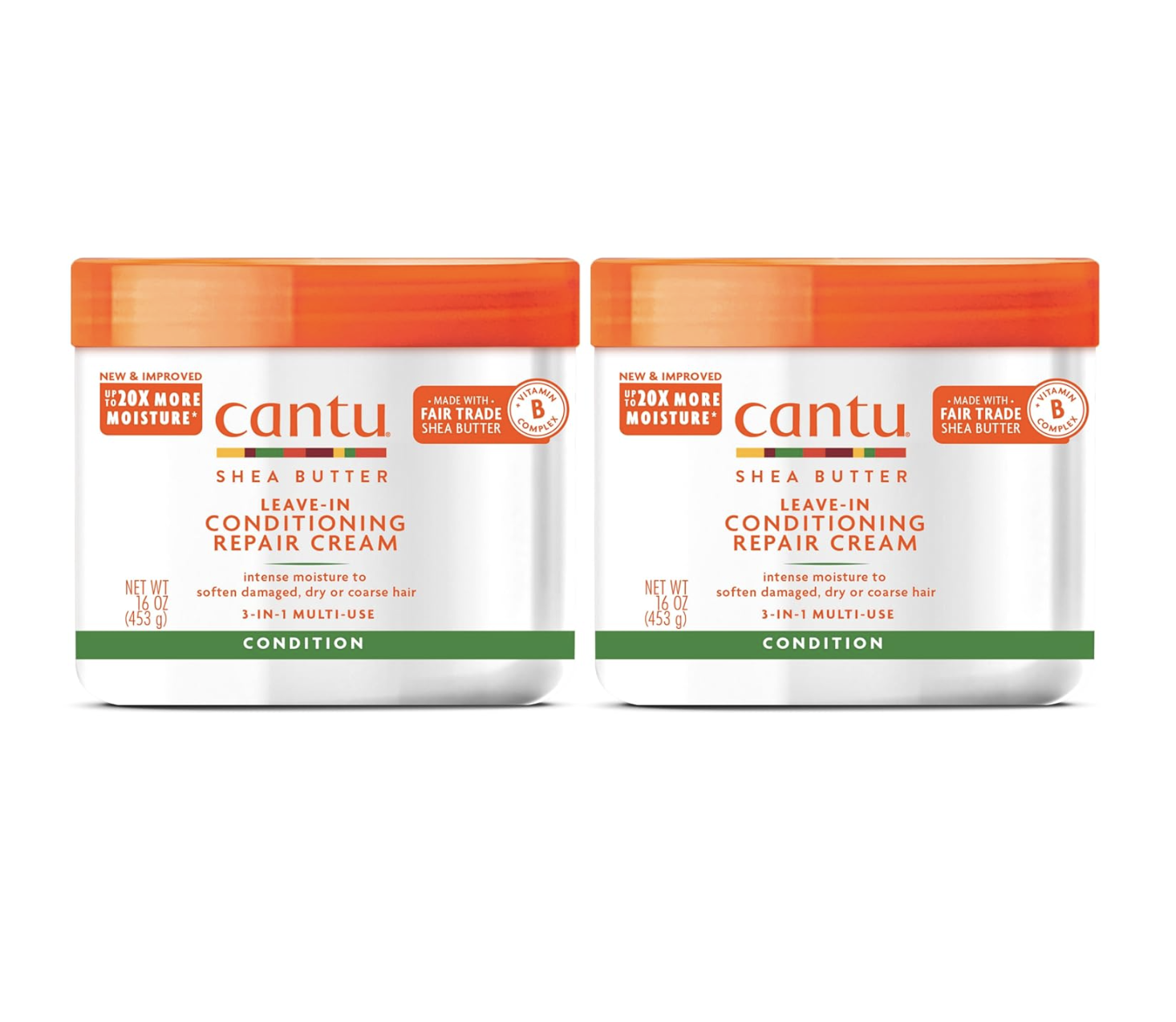
After deep conditioning, apply a leave-in to seal in moisture. Cantu's leave-in is thick enough to restore softness after a clarifying wash without weighing curls down. The shea butter formula is especially good for replenishing what sulfates strip.
| Shampoo Type | When to Use | Frequency | Follow With |
|---|---|---|---|
| Sulfate-free | Regular wash days | 1-2x per week | Regular conditioner |
| Clarifying (sulfate) | Monthly reset | Every 2-4 weeks | Deep conditioner / mask |
| Clarifying (sulfate) | After swimming | Every swim session | Deep conditioner / mask |
| Clarifying (sulfate) | Before deep treatment | As needed | Hair mask / bond repair |
Frequently Asked Questions
Are sulfates bad for curly hair?
Not inherently. Daily sulfate use can strip moisture from curly hair, which is why sulfate-free shampoos are better for regular wash days. But occasional sulfate or clarifying washes (every 2-4 weeks) are important for removing product buildup, silicone residue, and hard water minerals that gentle shampoos can't handle. Think of it as "sulfate-free most of the time, clarifying sometimes."
Do I need sulfates if I follow the Curly Girl Method?
The strict CGM says no sulfates ever, but many curly hair experts have moved away from this absolute stance. If you use styling products (especially gels, creams, or anything with silicones), buildup is inevitable. A monthly clarifying wash keeps your hair and scalp healthy without undoing the benefits of your sulfate-free routine. Many people practice a "modified CGM" that includes periodic clarifying.
How often should curly hair use sulfate shampoo?
Every 2-4 weeks for most curl types. Fine or wavy hair (2A-2C) may benefit from clarifying every 1-2 weeks since it's more prone to buildup weighing it down. Coily hair (4A-4C) can often go 3-4 weeks between clarifying washes. Adjust based on how much product you use and how your hair feels.
What happens if you never use sulfates on curly hair?
Over time, you may notice: limp, lifeless curls with no bounce; products that seem to stop working; an itchy, flaky scalp; a waxy or coated feeling even on clean hair; and increased frizz (because buildup blocks moisture from entering the hair shaft). One clarifying wash often brings curls back to life immediately.
What's the best sulfate-free shampoo for curly hair?
We recommend SheaMoisture Jamaican Black Castor Oil Shampoo (~$12) for thicker, coilier types and Mielle Rosemary Mint Strengthening Shampoo (~$13) for all curl types. Both cleanse gently without stripping moisture.
We independently research and recommend these products. As an Amazon Associate, we earn from qualifying purchases at no extra cost to you.