In This Guide
| Product | Category | Price | |
|---|---|---|---|
| Cantu Shea Butter Leave-In Cream Best Pick | Leave-In | ~$6 | Buy |
| Mielle Rosemary Mint Scalp Oil Best Value | Scalp Oil | ~$10 | Buy |
| Amika Soulfood Hair Mask Premium Pick | Deep Conditioner | ~$28 | Buy |
| Mielle Pomegranate & Honey Curl Smoothie | Styling Cream | ~$9 | Buy |
| Olaplex No. 3+ Hair Perfector | Treatment | ~$30 | Buy |
| Satin Bonnet | Accessory | ~$10 | Buy |
What Makes 4C Hair Different
4C is the tightest curl pattern on the spectrum. The coils are so tight they may not look like coils at all when dry - 4C hair often appears as a dense, soft cloud. Shrinkage can be up to 75-80%, which means hair that reaches your shoulders when wet might sit at your ears when dry.
4C hair is the most fragile type because the extremely tight bends create many potential breakage points along each strand. It's also the driest type because natural oils have a very hard time traveling down the tightly coiled shaft. That means moisture doesn't just evaporate faster - it barely arrives in the first place.
4C hair needs the heaviest moisture products, the most sealing, and the gentlest handling. Detangling must happen on wet, product-saturated hair. Dry manipulation causes breakage. Heavy butters and creams that would weigh down looser curl types are exactly right for 4C.
When properly cared for, 4C hair is incredibly versatile. It can be worn in wash-and-gos, twist-outs, locs, braids, afros, and every protective style imaginable. The styling range is unmatched - no other curl type can pull off the same breadth of looks.
If you're not certain whether you have 4C hair, check out our full curl type guide (2A-4C) with photos and descriptions of every pattern. You can also take the curl type quiz for a personalized recommendation.
The 4C rule of thumb: Moisture first, always. Work in small sections. Never skip deep conditioner. Seal every time. Protect at night. The LOC method (Liquid - Oil - Cream) applied in sections is the foundation most 4C routines are built on.

1. Cantu Shea Butter Leave-In Conditioning Repair Cream - Best Leave-In
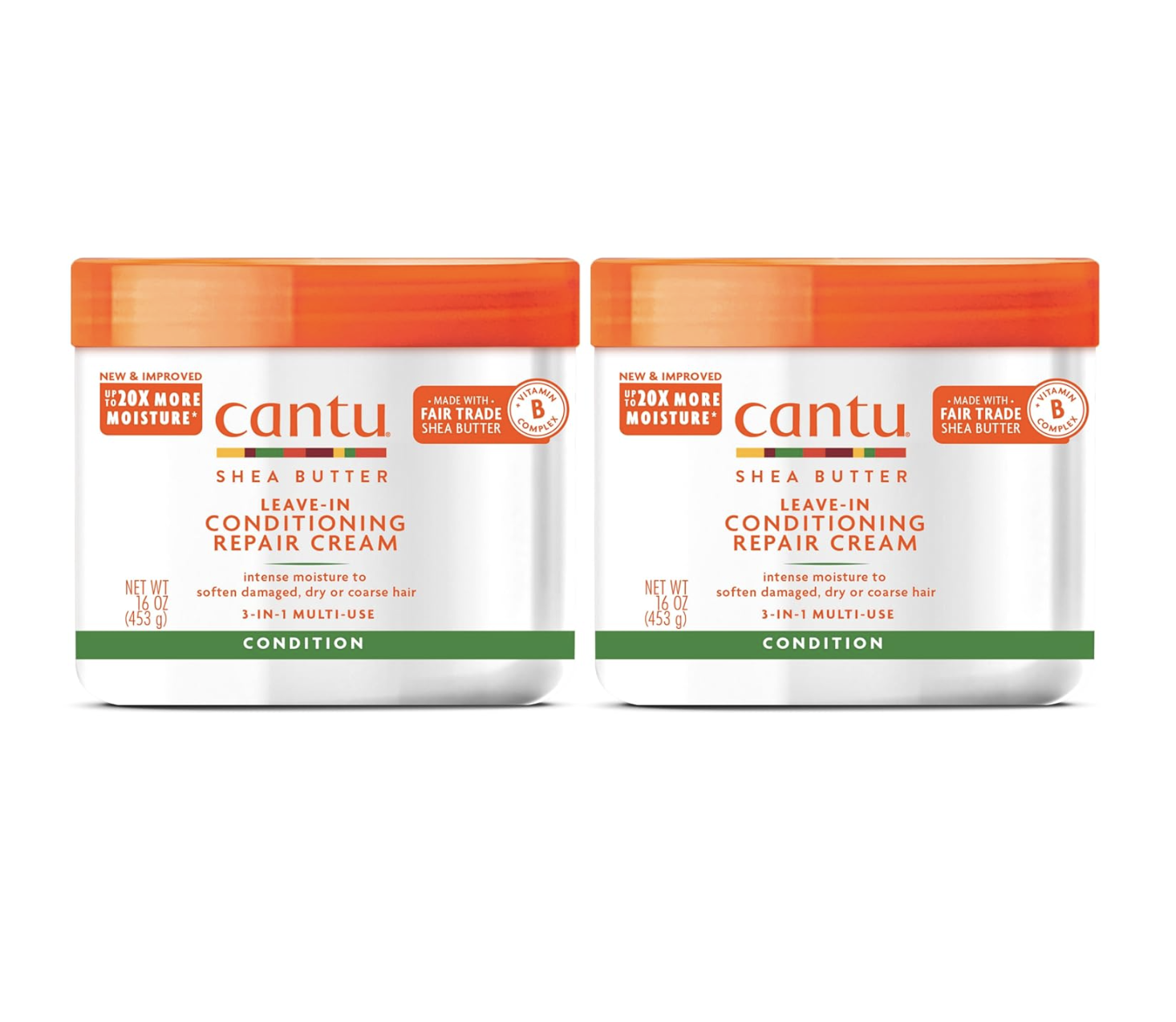
Cantu Shea Butter Leave-In Conditioning Repair Cream
Best for: Type 4A-4C • ~$6 for 12oz
Get It Here → Read our full review →4C hair needs the richest leave-in possible, and Cantu's shea butter formula delivers deep moisture at an unbeatable price. The heavy, creamy texture that would weigh down a 3A ringlet is exactly the consistency 4C coils can absorb and use. Apply generously in small sections - parting the hair into 4-8 sections on wash day and working product through each one thoroughly.
4C is the curl type Cantu was essentially made for. The brand was built around type 4 hair from the beginning, and this leave-in remains one of the most recommended products in the 4C community for that reason. It's rich without being heavy in a greasy sense, and it layers well under an oil and then a styling cream in the LOC method.
Apply it to soaking wet hair immediately after rinsing out your deep conditioner. Don't wait - 4C hair begins losing moisture the moment it's exposed to air. Work it through each section with your fingers and then detangle gently with a wide-tooth comb before moving to the next step.
Pros: Excellent moisture delivery, unbeatable value, specifically formulated for type 4 textures, available everywhere. Cons: Too heavy for loose curl types - but that's not an issue here. Jar packaging means fingers go in each time (pump option not widely available).
2. Mielle Rosemary Mint Scalp & Hair Strengthening Oil - Best Scalp Oil
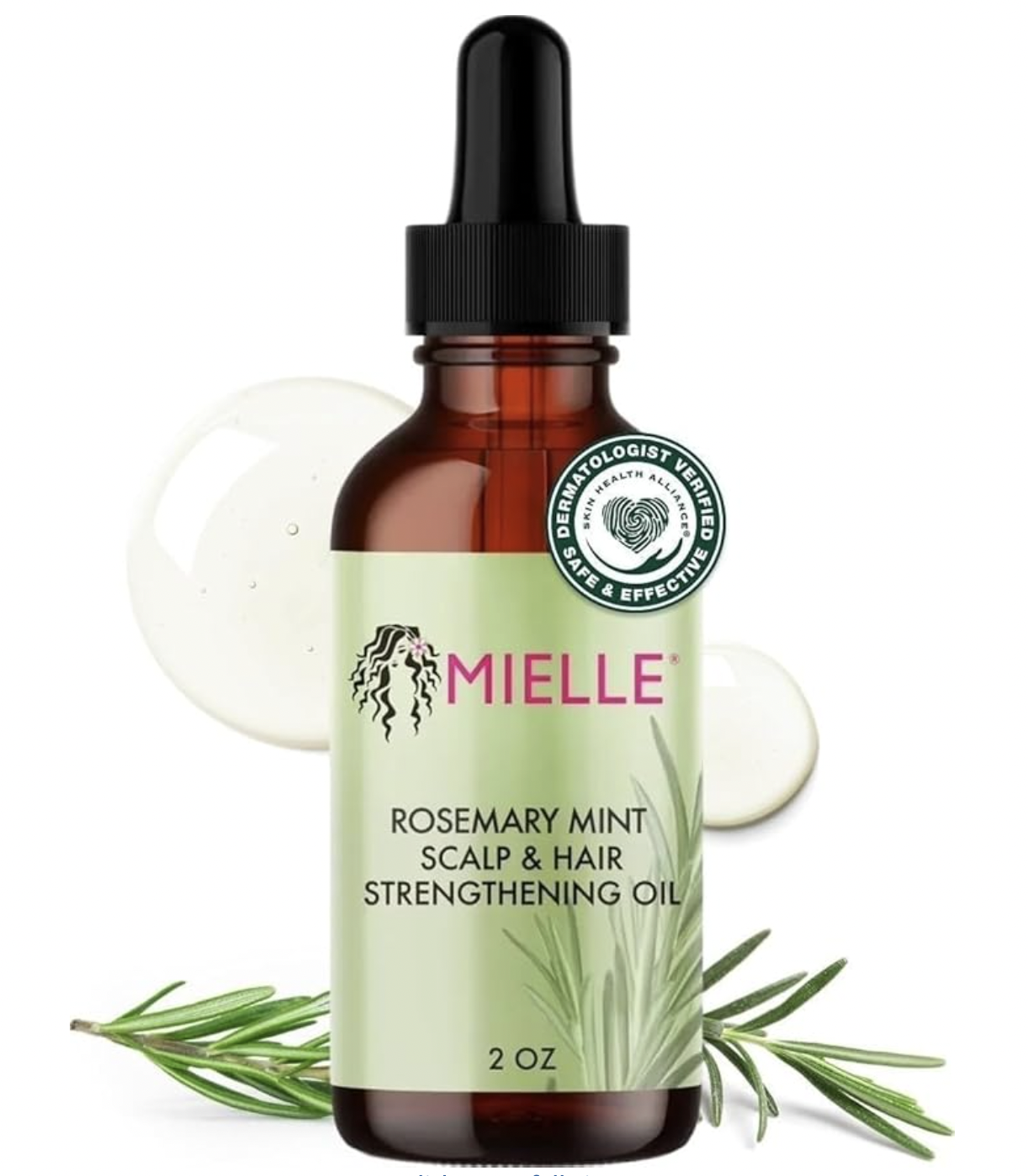
Mielle Rosemary Mint Scalp & Hair Strengthening Oil
Best for: All curl types, especially 4A-4C • ~$10 for 2oz
Get It Here → See before & after results →4C hair needs oil on both the scalp and the hair shaft. Because natural oils can't travel down the tightly coiled pattern, the scalp and strands need external oil applied regularly. Apply this directly to the scalp every 2-3 days using the nozzle applicator, parting the hair to get it to the scalp surface.
The rosemary and biotin combination supports growth and reduces the dryness and flaking that's common with 4C hair due to infrequent washing. Rosemary has been studied as a scalp-stimulating ingredient that encourages circulation - which is particularly useful for 4C hair, where edge thinning and slow growth at the temples are common concerns.
Use it as the O (oil) step in your LOC method on wash day as well - apply it to your hair ends after the leave-in cream and before your styling cream to seal in the moisture underneath. It's lightweight enough not to create buildup but effective as a sealant.
Pros: Dual-purpose (scalp and hair), clean ingredient profile, noticeable scalp health improvement, easy nozzle applicator. Cons: Small 2oz bottle goes quickly if you use it generously - consider the larger size for consistent use.
3. Amika Soulfood Nourishing Hair Mask - Best Deep Conditioner
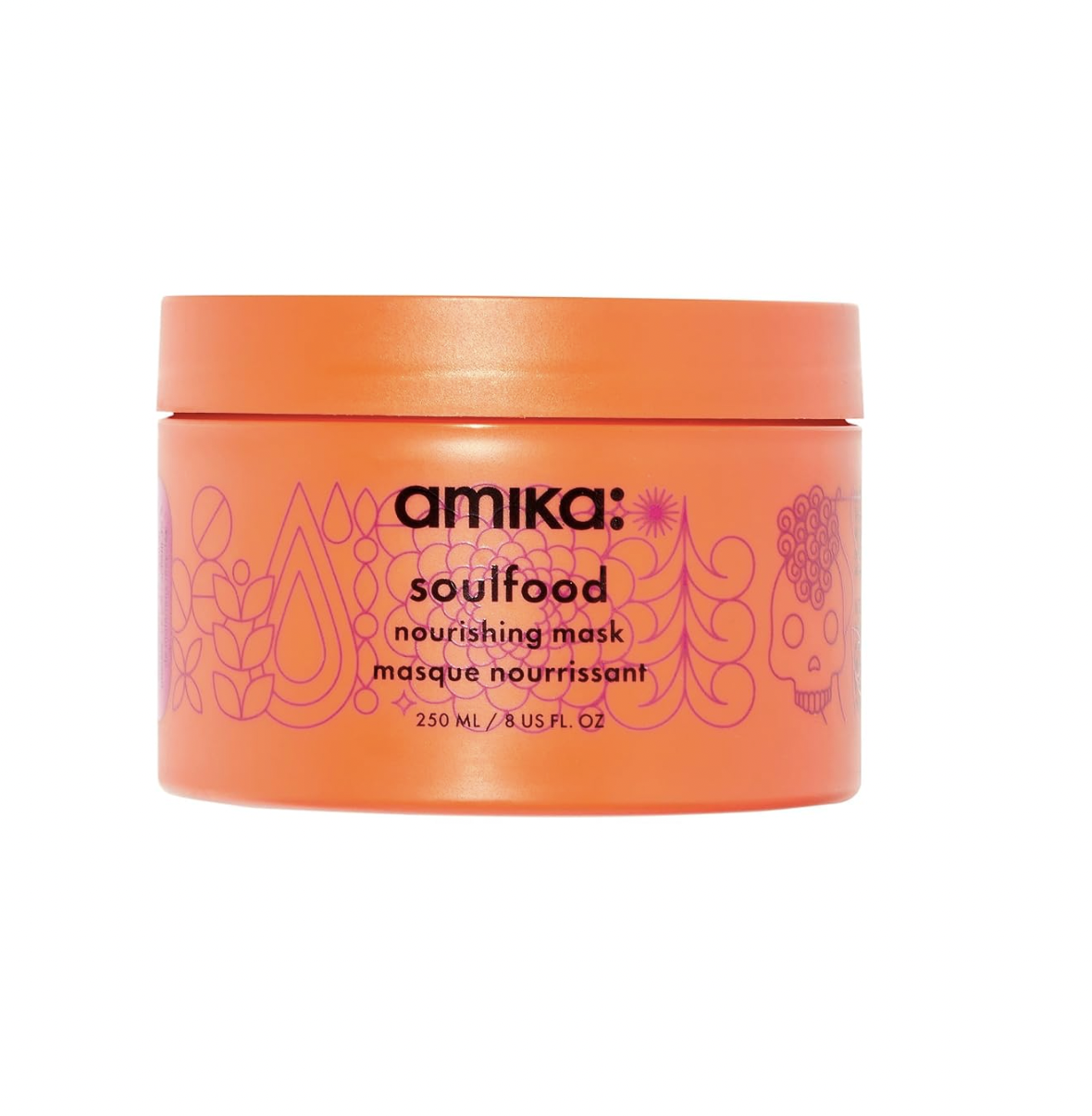
Amika Soulfood Nourishing Hair Mask
Best for: Dry and coily textures • ~$28 for 8oz
Get It Here → See all Amika picks →Deep conditioning is not optional for 4C hair - it's the most important step in the entire routine. 4C should be deep conditioned every single wash day without exception. If you skip it, the rest of your routine suffers. Amika Soulfood is intensely hydrating and penetrates even the tightest coils.
Apply to freshly shampooed, wet hair in small sections. Coat each section thoroughly from root to tip. Apply a plastic processing cap and sit under a hooded dryer or use a heat cap for a minimum of 30 minutes. The heat opens the cuticle and allows the conditioner to penetrate deeper. Your coils will feel completely different after - softer, more elastic, and easier to detangle.
The formula is rich and nourishing without leaving the heavy film that cheaper deep conditioners sometimes leave. It rinses clean while leaving moisture behind - a balance that matters for 4C hair, which doesn't need buildup on top of its existing dryness challenges.
Pros: Intensely moisturizing, clean ingredient list, rinses clean, visible improvement after first use. Cons: Premium price - but weekly deep conditioning is non-negotiable for 4C hair, so the investment is worth it. A smaller amount goes further than you'd think because you work in sections.
4. Mielle Pomegranate & Honey Curl Smoothie - Best Styling Cream
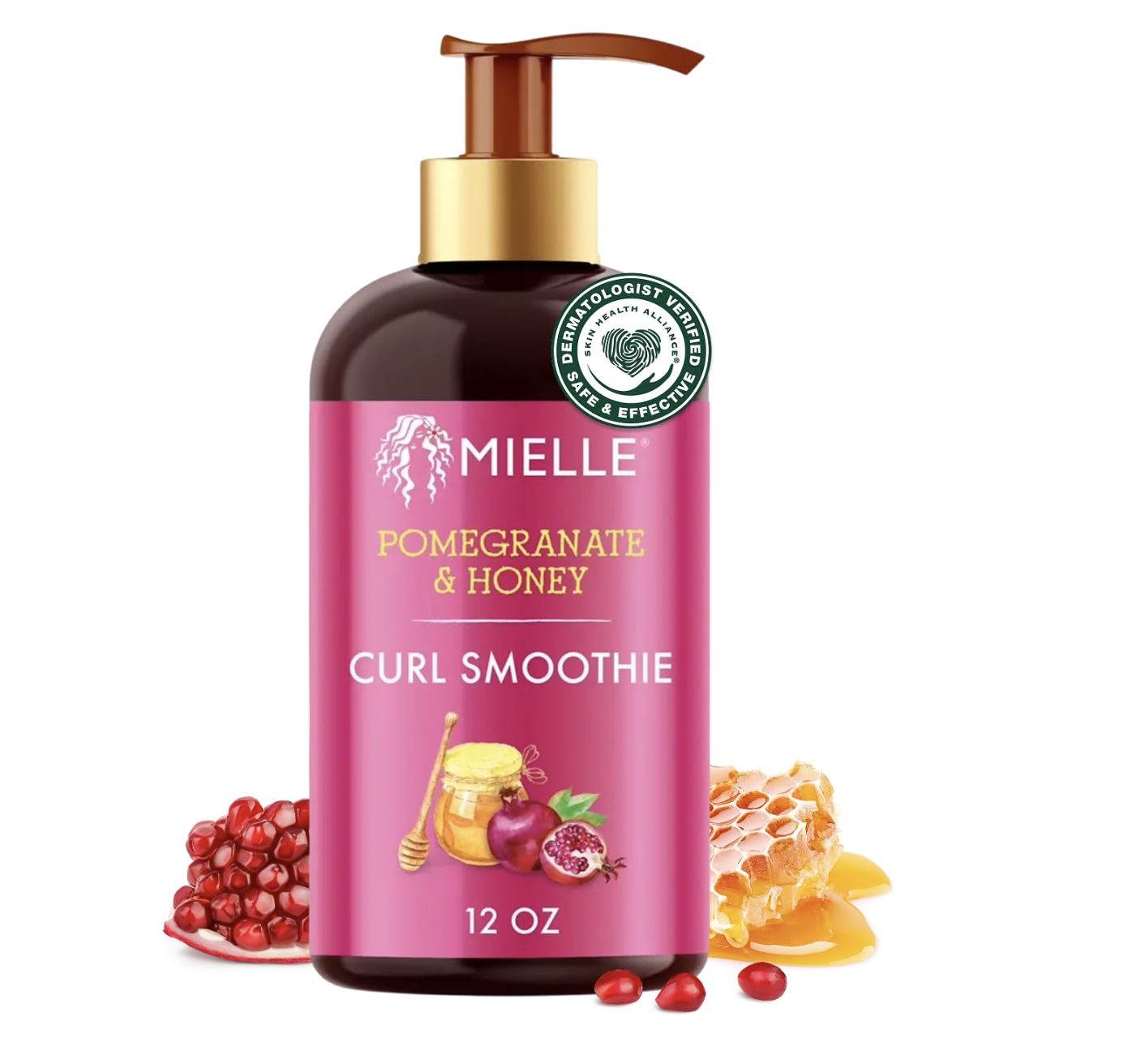
Mielle Pomegranate & Honey Curl Smoothie
Best for: Type 4A-4C • ~$9 for 12oz
Get It Here → See all Mielle picks →This thick, honey-based formula was designed specifically for type 4 hair, and it shows. It adds moisture, shine, and definition in one step. The pomegranate and honey combination is genuinely hydrating rather than just coating - 4C hair absorbs rather than wears product, and this formula is built for that.
It's the cream step (the C) in the LOC method - applied after the leave-in and the oil to seal everything in and provide styling definition. Apply in small sections, using generous amounts. Don't be stingy - 4C hair absorbs product and you'll notice the difference between adequately and insufficiently moisturized sections immediately.
It's perfect for twist-outs, braid-outs, and shingling. For wash-and-gos, pair it with a defining gel over the top. For protective styles, it keeps hair moisturized under braids and twists better than lighter formulas.
Pros: Designed for type 4 patterns, affordable, great moisture and definition, ideal for twist-outs. Cons: Very thick - a little goes a long way when used correctly. Not suitable for loose wavy types, which is fine since this is specifically a 4C recommendation.
5. Olaplex No. 3+ Hair Perfector - Best Strengthening Treatment
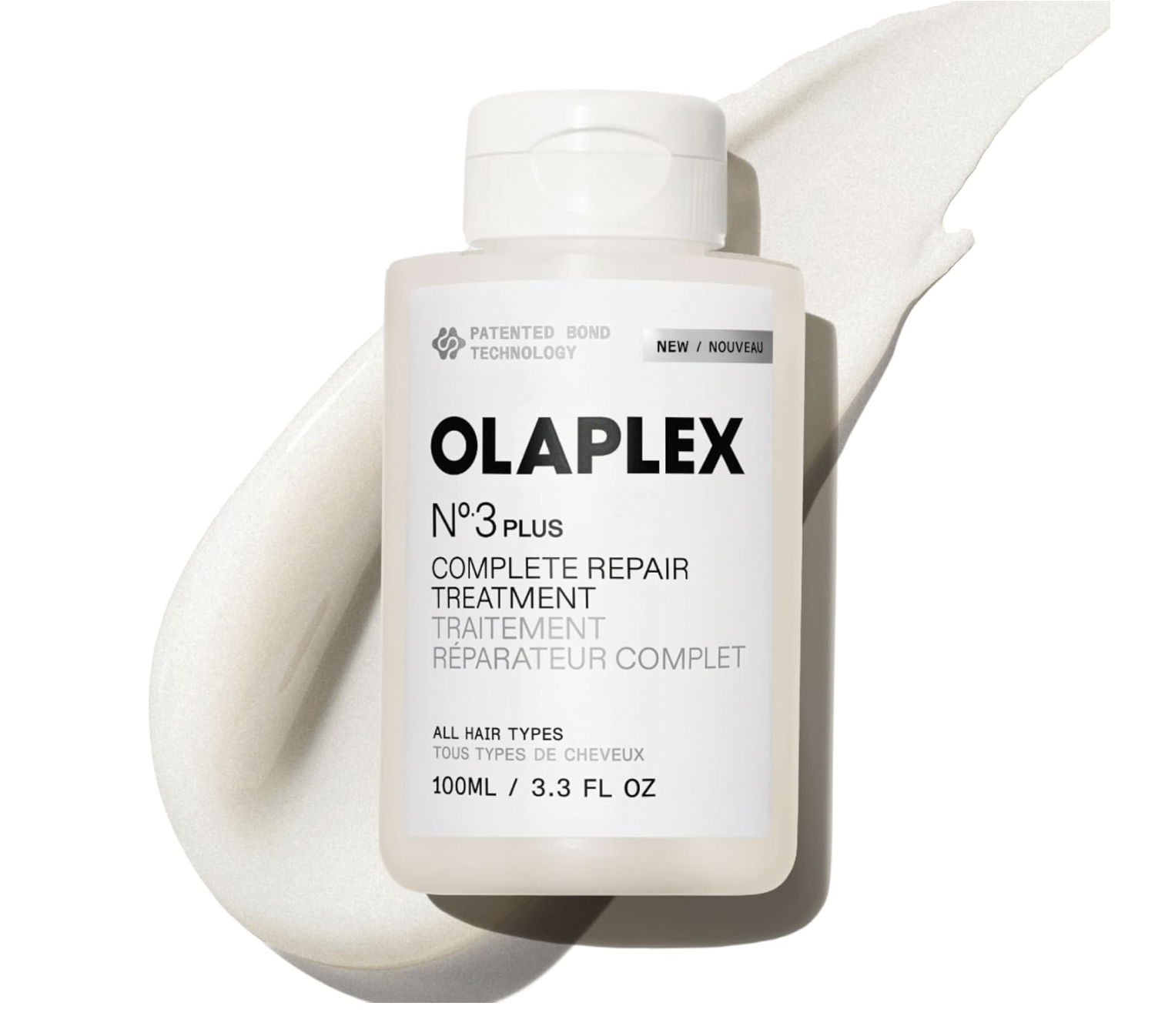
Olaplex No. 3+ Hair Perfector
Best for: All curl types experiencing breakage • ~$30 for 3.3oz
Get It Here → Read our full review →4C hair experiences more breakage than any other curl type due to the tight bend points along each coil. Every time the hair bends sharply, the protein bonds at that point are under stress. Over time - especially with manipulation, heat, or chemical processing - those bonds break. That's where Olaplex No. 3+ earns its place in a 4C routine.
Olaplex repairs broken disulfide bonds from within the strand, strengthening each coil at a molecular level. Use it weekly as a pre-shampoo treatment: apply generously to damp, unwashed hair, cover with a plastic cap, and leave for at least 10 minutes before shampooing. Over 4-6 weeks of consistent use, most people notice a significant reduction in breakage and increased elasticity when detangling.
This is particularly important if you use heat for blowouts, color your hair, or are dealing with thinning edges. The structural repair it provides can't be replicated by moisturizing treatments - moisture and bond repair are different things, and 4C hair often needs both.
Pros: Genuine bond repair (not just surface conditioning), reduces breakage noticeably over consistent use, safe for color-treated hair. Cons: Expensive per ounce. Doesn't replace deep conditioning - these are complementary steps that address different needs.
For more on the safety and science behind this product, see our Is Olaplex Safe? The Lawsuit Explained article.
6. Satin Bonnet - Most Essential Accessory
If there is one product every person with 4C hair must own, it's a satin bonnet. This is not optional. Cotton pillowcases absorb the moisture that 4C hair desperately needs and create friction that causes the mechanical breakage that leads to thinning edges, split ends, and stunted length retention.
A satin bonnet preserves the moisture you spent your entire wash day applying, protects whatever style you've set, and reduces overnight friction breakage to near zero. Put it on every single night - no exceptions, no "I'll just be careful tonight." The difference in moisture levels and style longevity between bonneted and un-bonneted mornings is dramatic once you've done it consistently.
Satin pillowcases are an alternative if you're not a bonnet person, but the bonnet is more reliable because it stays on your head throughout the night regardless of how you sleep. A double-layered bonnet with a satin lining and a slightly stretchy outer layer works best for larger hair volumes.
Pros: Cheapest item on this list, biggest single impact on moisture retention and length retention, immediate noticeable difference. Cons: None. Buy it today.

What to Avoid with 4C Hair
The wrong products and habits cause far more damage to 4C hair than any other curl type. These are the most common mistakes:
- Sulfate shampoos. Sulfates are devastating for 4C hair. They strip every bit of natural oil from hair that was already struggling to retain moisture. 4C hair needs a gentle, sulfate-free shampoo - or a clarifying shampoo used rarely, when buildup is genuinely an issue. Standard sulfate shampoos strip 4C hair to a degree that can cause weeks of dryness and setback.
- Fine-toothed combs and brushes on dry hair. Detangling 4C hair without water and slip is a guaranteed path to breakage. Finger detangle first, then use a wide-tooth comb only on soaking wet, conditioner-saturated hair - starting from ends and working up. Never brush 4C hair when dry.
- Lightweight products designed for wavy hair. Products formulated for 2A-2C wavy hair don't provide enough moisture, slip, or hold for 4C patterns. The weight, texture, and ingredient concentrations are all wrong. Use products formulated for type 4 hair.
- Skipping deep conditioner. This is the most common mistake in 4C routines. Deep conditioning isn't extra - it's essential. Every wash day. With heat. Without this step, no other product in the routine can compensate for the moisture deficit.
- Tight hairstyles on edges. Traction alopecia - hair loss from repeated tension - is most common at the temples and edges. Protective styles should never feel tight at the root. If a braid or style hurts at the hairline, it needs to be redone. Edges are the most fragile part of 4C hair and take the longest to regrow.
- Overwashing. Washing 4C hair more than once a week strips moisture and disrupts the scalp's natural balance. Every 7-14 days is appropriate for most people. If the scalp needs refreshing mid-week, co-washing (conditioner only) is better than shampooing again.
4C Wash Day Routine - Step by Step
Here's a complete wash day routine using the products above:
- Pre-poo: Apply coconut oil or olive oil to dry hair in sections 30 or more minutes before washing. This coats the cuticle and reduces hygral fatigue (swelling from water absorption) during the wash. Cover with a plastic cap while you wait.
- Section: Divide hair into 4-8 sections with clips or loose twists. Working in sections is non-negotiable for 4C hair - it's the only way to ensure thorough coverage and gentle handling.
- Shampoo: Use a gentle, sulfate-free shampoo every 7-14 days. Apply to the scalp only and work in with your fingertips - no scrubbing along the length of the hair. Let the lather rinse down the strands.
- Deep condition: Apply the Amika Soulfood Mask to each section thoroughly. Cover with a plastic cap and use a heat cap or hooded dryer for 30 minutes minimum. Rinse with cool water to seal the cuticle.
- Detangle: While hair is saturated with conditioner and water, finger detangle each section first - starting from ends and working toward the root. Follow with a wide-tooth comb if needed. Never rush this step.
- LOC method: Apply products in sections while hair is soaking wet. Liquid - spray with water or a leave-in spray first. Oil - apply the Mielle Rosemary Mint Oil along each section. Cream - apply the Cantu Leave-In and then the Mielle Curl Smoothie over the top to seal.
- Style: Twist, braid, or shingling on each section for a twist-out or braid-out. For a wash-and-go, add a defining gel over the cream layer and scrunch upward.
- Dry: Air dry when possible to minimize heat damage. If diffusing, use low heat and low speed. 4C hair takes longer to dry - plan accordingly.
- Protect overnight: Satin bonnet, every night. Pineapple or loose twists under the bonnet to preserve the style.
For more moisture-focused guidance, see our best deep conditioners for curly hair roundup. If you're building your first routine from scratch, our complete beginner's curly hair routine covers the fundamentals in detail.
Frequently Asked Questions
What curl type is 4C?
4C is the tightest coil pattern on the curl spectrum. The coils are so tight they may not look like coils at all when dry - 4C hair often appears as a dense, soft cloud. Shrinkage can be up to 75-80%. Despite that, 4C hair is incredibly versatile and can be worn in wash-and-gos, twist-outs, locs, braids, afros, and every protective style imaginable.
Is 4C hair harder to manage?
No - it just needs a different approach. The key is moisture, gentle handling, and patience. Once you find your routine, 4C hair is incredibly versatile and low-maintenance between wash days. The biggest mistakes are using too little product, skipping deep conditioner, and handling hair when dry.
How often should 4C hair be washed?
Every 7-14 days. Some people stretch to 3 weeks with protective styles. Co-wash between if needed. Overwashing is one of the worst things for 4C hair - it strips the natural oils that are already struggling to travel down the tightly coiled shaft.
What is the best protective style for 4C hair?
Twists, braids, bantu knots, and locs all work beautifully on 4C hair. Protective styles reduce daily manipulation and retain length. Don't keep styles in too long (max 2-3 weeks for most styles) and always moisturize underneath to prevent dryness and breakage.