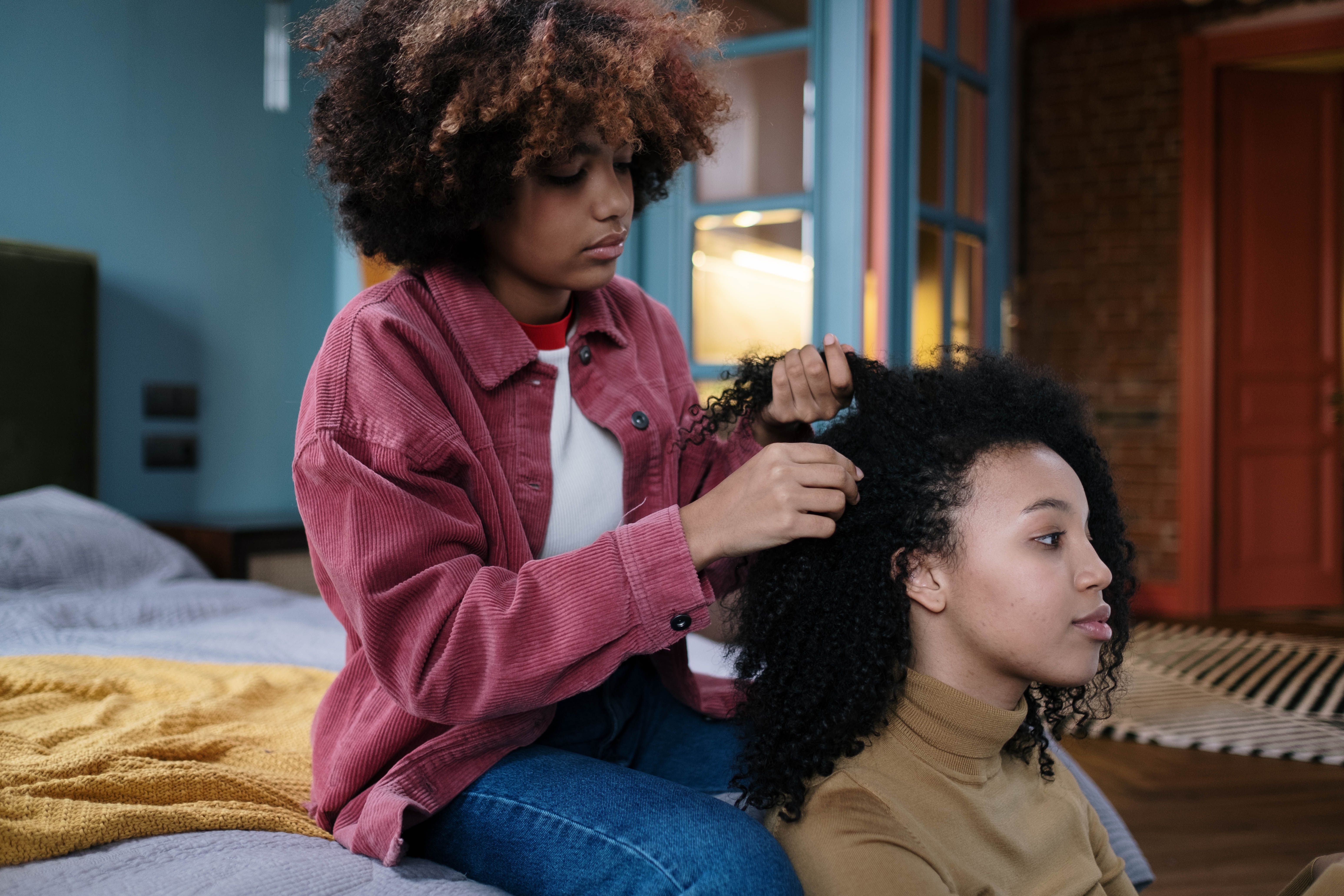
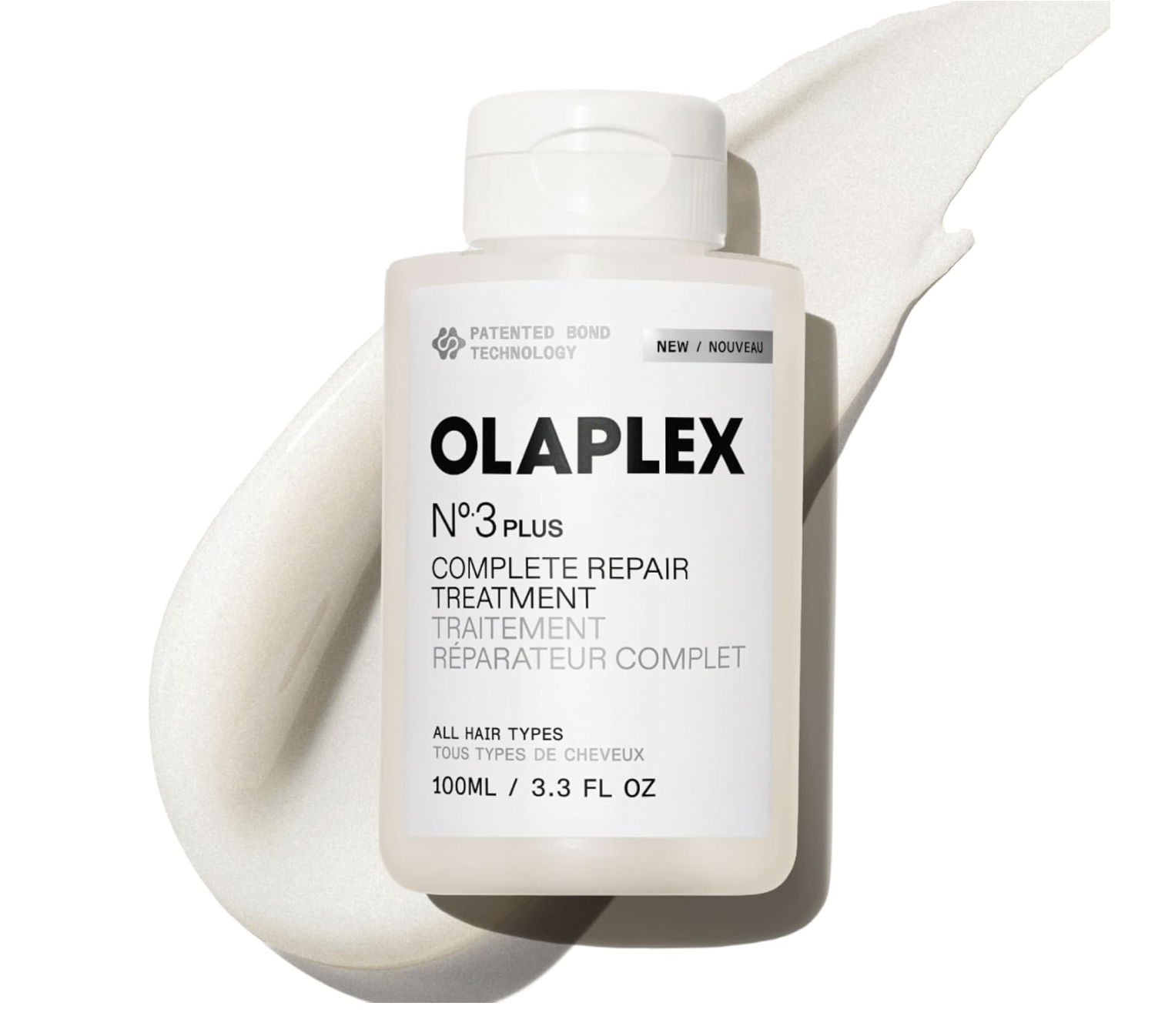
Olaplex was once the undisputed holy grail of hair repair. Salons swore by it. Curly hair communities treated No. 3 like gospel. Then came the lawsuits, the hair loss claims, and an ingredient ban in Europe - and suddenly, everyone was asking the same question: is Olaplex actually safe to use?
We're going to break down exactly what happened, what the science says, and whether you should keep using it or switch to something else. No brand loyalty, no fearmongering - just the facts.
What Happened: The Lawsuit Timeline
Here's the short version:
- 2014-2021: Olaplex dominates the professional and at-home hair repair market. Their patented bis-aminopropyl diglycol dimaleate technology claims to rebuild broken disulfide bonds in hair.
- Early 2022: The EU bans the ingredient lilial (butylphenyl methylpropional) due to concerns about reproductive toxicity. Olaplex No. 3+ contained this ingredient as a fragrance component.
- February 2023: A class-action lawsuit is filed in the US, alleging Olaplex products caused hair loss, scalp burns, blisters, and breakage in users.
- 2023-2024: Over 30 individual complaints are consolidated. Social media explodes with before/after photos and personal stories.
- 2024-2025: Olaplex denies all claims, citing lack of scientific evidence. They quietly reformulate products to remove lilial from all formulations.
The lawsuit is still working through the legal system as of 2026, but Olaplex continues to be sold worldwide.
The Lilial Controversy
The ingredient at the center of the storm is lilial (also listed as butylphenyl methylpropional on ingredient labels). Here's what you need to know:
- What it is: A synthetic fragrance ingredient that gives products a floral, lily-of-the-valley scent. It was extremely common across the beauty industry - not just Olaplex.
- Why it was banned: The EU classified it as a suspected reproductive toxicant (Category 1B) in March 2022. This means animal studies showed potential reproductive harm at high exposure levels.
- The context: The ban was precautionary. The concentrations in hair products were low, and there's no evidence that topical application at these levels causes reproductive harm in humans. But the EU applies the precautionary principle more strictly than the US FDA.
- The US response: The FDA has not banned lilial. However, Olaplex reformulated their products globally to remove it.
Our take: The lilial issue was real but overhyped. It was a fragrance ingredient, not an active ingredient. It didn't make Olaplex work - it just made it smell good. And it's been removed from current formulations.
Does Olaplex Actually Cause Hair Loss?
This is the big question, and the honest answer is: it's complicated.
What the lawsuit claims: Users reported hair loss, excessive shedding, scalp irritation, bald patches, and brittle/breaking hair after using Olaplex products.
What dermatologists say:
- There is no peer-reviewed study linking Olaplex to hair loss.
- Hair loss has many causes (stress, hormones, diet, medication, postpartum) that can coincidentally overlap with product use.
- Some dermatologists point out that protein overload is a real phenomenon. Olaplex is a protein-based bond builder. If your hair doesn't need protein, or if you use it too frequently, it can make hair brittle and prone to snapping - which looks and feels like hair loss.
- Allergic reactions or contact dermatitis from any hair product can cause scalp inflammation, which can lead to temporary hair loss.
Our take: Olaplex probably doesn't cause hair loss directly. But protein overload from overuse is real, and people with fine, low-porosity, or wavy hair are more susceptible. If you used Olaplex weekly and noticed breakage, you may have overdone the protein - not discovered a dangerous product.
Has Olaplex Been Reformulated?
Yes. Olaplex has confirmed that all current products are lilial-free. If you purchase Olaplex today from a reputable retailer (Amazon, Sephora, Ulta), you're getting the reformulated version.
How to check if your bottle is the old or new formula:
- Check the ingredient list for "butylphenyl methylpropional" - if it's listed, it's the old formula
- Look at the batch code/expiration date - anything manufactured after mid-2022 should be lilial-free
- The new formula may smell slightly different (less floral) since the fragrance was changed
Is Olaplex Being Discontinued?
No. Olaplex is not being discontinued. This is one of the most common questions we get, and it makes sense why people are confused. Between the EU ingredient ban, the class-action lawsuit, and Olaplex's stock price dropping over 90% from its peak, it's easy to assume the brand is going away.
Here's why Olaplex isn't going anywhere:
- Still sold everywhere: Olaplex products are currently available at Sephora, Ulta, Amazon, and thousands of salons worldwide. No retailer has pulled the brand from shelves.
- Reformulated, not recalled: The EU ban was on one fragrance ingredient (lilial), not the product itself. Olaplex removed lilial and kept selling. This is normal - brands reformulate ingredients all the time.
- The lawsuit didn't shut them down: Class-action lawsuits are common in the beauty industry. DevaCurl faced similar lawsuits and is still selling products. Lawsuits take years to resolve and rarely result in products being pulled.
- Stock price vs product availability: Olaplex's stock dropped because of slowing growth and increased competition, not because they're shutting down. The company is publicly traded (OLPX) and continues to report revenue.
Why the rumors keep spreading: Social media conflates "controversy" with "discontinued." When people see headlines about lawsuits and banned ingredients, they assume the worst. The reality is more boring - Olaplex had a PR problem, fixed the ingredient issue, and continues to operate normally.
That said, if the controversy has made you uncomfortable using Olaplex, that's a valid reason to switch. See our alternatives section below for options that deliver similar results without the baggage.
Should You Still Use Olaplex?
Here's our honest breakdown:
Keep using Olaplex if:
- You've used it before without any issues
- You have color-treated, bleached, or heat-damaged hair that needs bond repair
- You use it once every 1-2 weeks, not daily
- You have medium to thick, type 3-4 curly or coily hair
Consider switching if:
- You've noticed increased breakage or shedding since starting Olaplex
- You have fine, low-porosity, or wavy hair (more prone to protein overload)
- You have a sensitive scalp or history of contact dermatitis
- You prefer to avoid products with controversial histories
- You're pregnant or trying to conceive and want extra caution
Best Olaplex Alternatives for Curly Hair
Whether you're ditching Olaplex or just want to try something different, these are the best bond repair and strengthening treatments for curly hair:
1. Curlsmith Bond Curl Rehab Salve - Best Direct Alternative
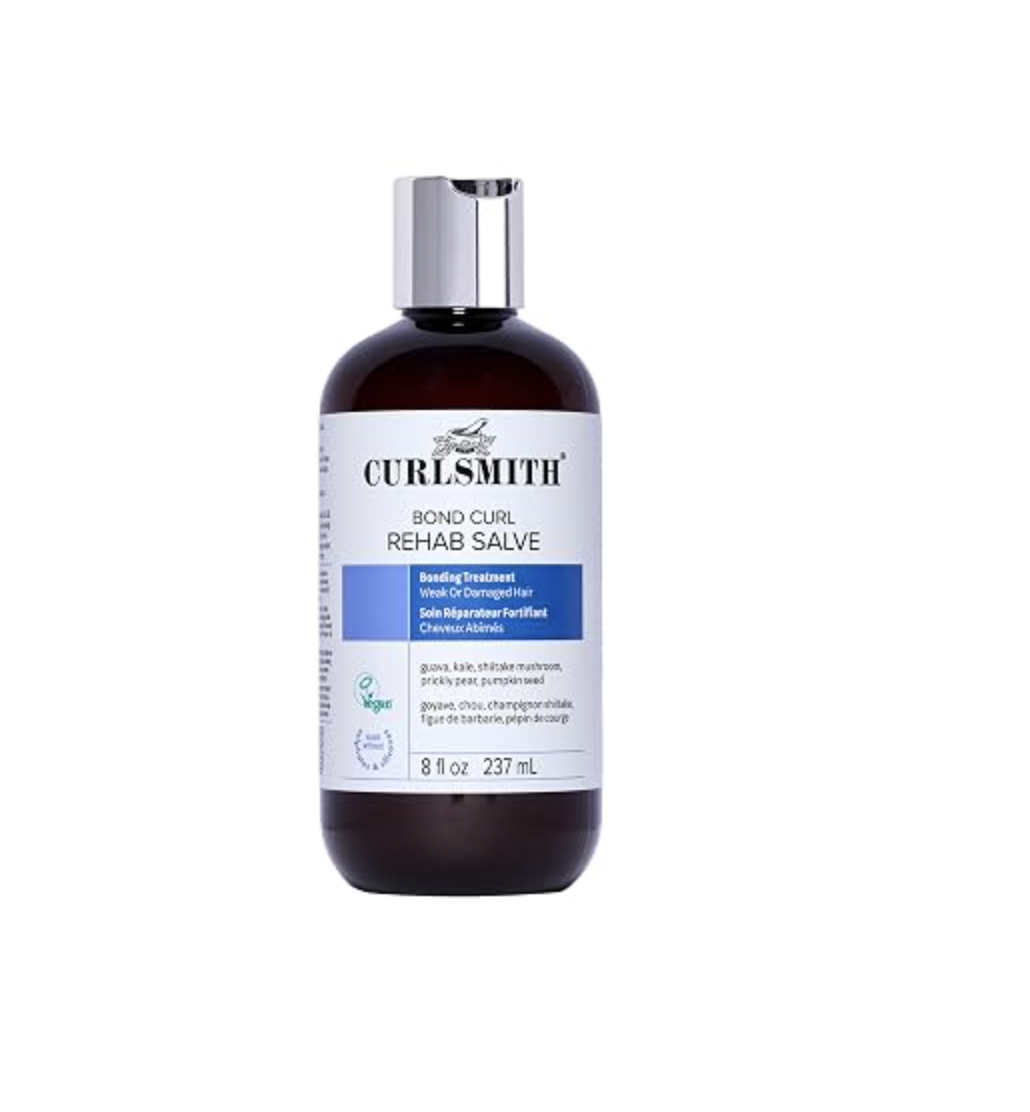
The closest alternative to Olaplex for curly hair. Uses a protein-rich formula with shea butter and avocado oil to rebuild bonds while adding moisture. Unlike Olaplex, it's specifically formulated for textured hair, so it won't dry out curls.
Why choose this over Olaplex: Better moisture balance for curly/coily hair. Less risk of protein overload because the formula includes moisturizing ingredients alongside bond builders.
2. Mielle Rosemary Mint Hair Masque - Best Budget Alternative
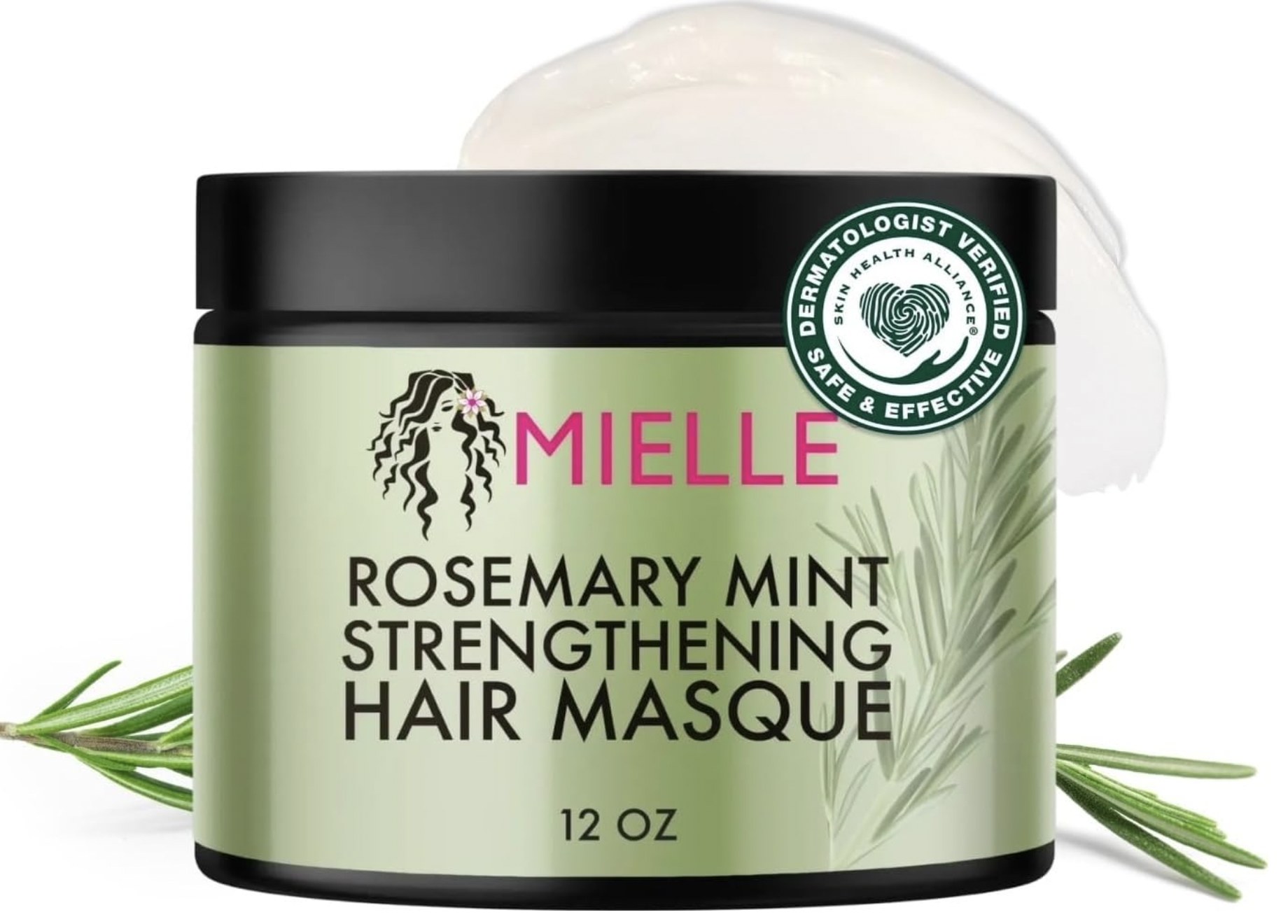
Not a bond repair treatment in the same way as Olaplex, but a deep strengthening masque that uses rosemary and biotin to fortify weak hair. At $8, it's a fraction of the price and works beautifully as a weekly deep treatment.
Why choose this over Olaplex: If your hair isn't severely damaged from chemical processing, you probably don't need bond repair - you need strengthening and moisture. This delivers both at a quarter of the price.
3. Mielle Rosemary Mint Scalp Oil - Best for Scalp Health
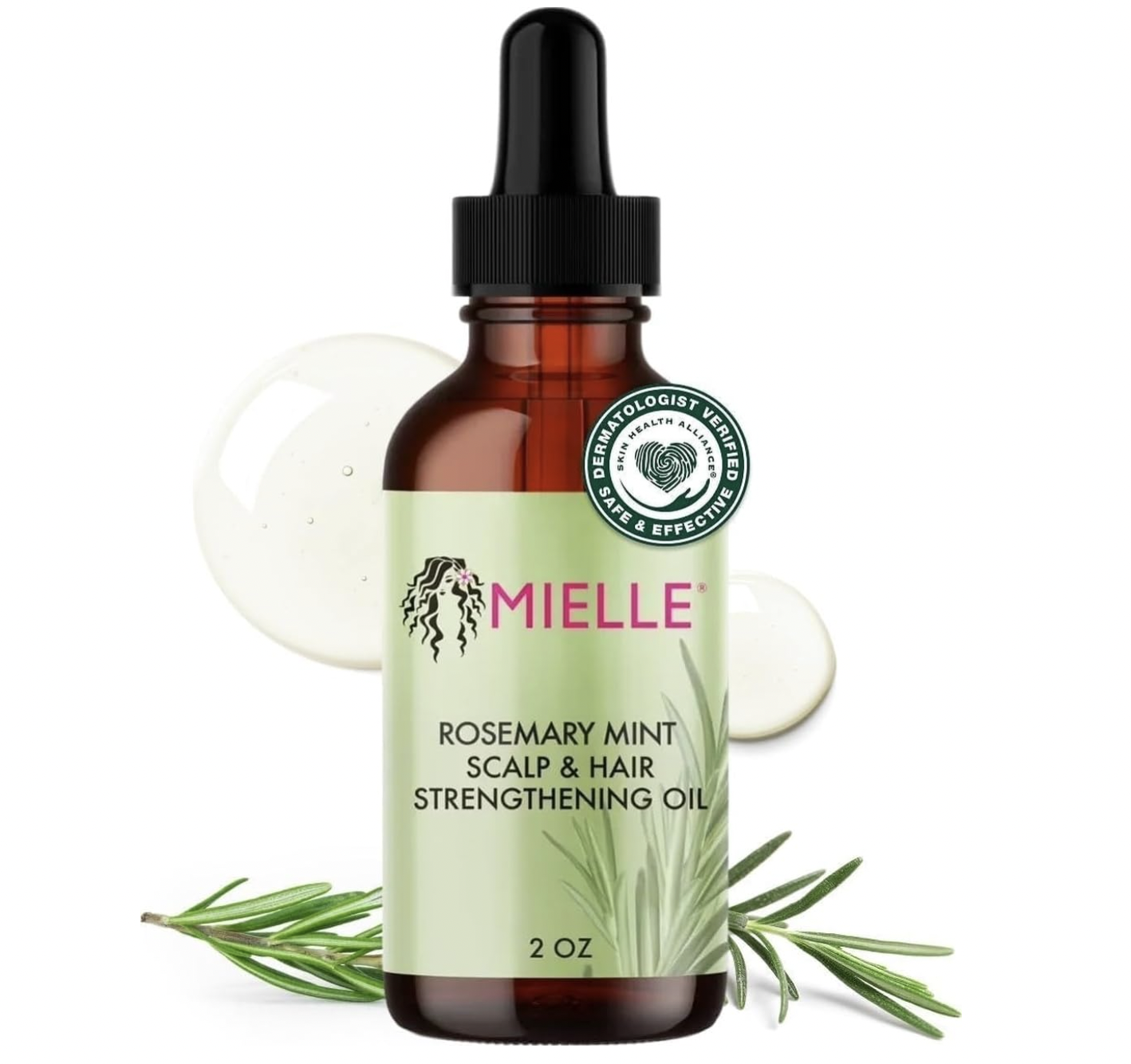
If your concern is hair thinning or scalp health rather than bond damage, this is a better solution than Olaplex. Rosemary oil has actual research backing its effectiveness for promoting hair growth - a 2015 study found it comparable to minoxidil (Rogaine) for hair growth after 6 months.
Why choose this over Olaplex: Different purpose entirely. If your hair loss concern is about thinning and growth (not chemical damage), a scalp oil will address the root cause better than a bond builder.
| Product | Type | Best For | Price |
|---|---|---|---|
| Olaplex No. 3+ | Bond repair | Chemically damaged hair | ~$30 |
| Curlsmith Bond Rehab | Bond repair + moisture | Damaged curly/coily hair | ~$28 |
| Mielle Hair Masque | Deep strengthening | Weekly treatment, all types | ~$8 |
| Mielle Rosemary Oil | Scalp treatment | Thinning hair, scalp health | ~$10 |
Frequently Asked Questions
Is Olaplex safe to use on curly hair?
For most people, yes. Millions have used Olaplex without issues. The controversial ingredient (lilial) has been removed from current formulations. The main risk for curly hair is protein overload from overuse - stick to once every 1-2 weeks maximum, and always follow with a moisturizing conditioner.
Does Olaplex cause hair loss?
There is no scientific evidence that Olaplex directly causes hair loss. The lawsuit included hair loss claims, but these haven't been confirmed by clinical studies. Overuse of any protein treatment can cause brittleness and breakage, which may look like hair loss. If you're experiencing shedding, see a dermatologist - the cause is likely something else.
What happened with the Olaplex lawsuit?
A class-action lawsuit was filed in 2023 alleging hair loss, scalp irritation, and breakage. The lawsuit specifically cited the ingredient lilial, which was banned in the EU in 2022. Olaplex denied all claims but reformulated their products to remove lilial. The case is ongoing as of 2026.
What are the best alternatives to Olaplex?
The best alternatives are Curlsmith Bond Curl Rehab Salve (~$28) for direct bond repair, Mielle Rosemary Mint Hair Masque (~$8) for budget strengthening, and Mielle Rosemary Mint Oil (~$10) for scalp health and hair growth.
Is Olaplex being discontinued?
No. Olaplex is not being discontinued. The brand continues to sell worldwide through Sephora, Ulta, Amazon, and salons. The confusion comes from the EU ingredient ban, the lawsuit, and declining stock price - but none of these mean the products are going away. Olaplex reformulated and continues to operate normally.
Is the new Olaplex formula different?
The active bond-building technology (bis-aminopropyl diglycol dimaleate) is the same. The only change is the removal of lilial from the fragrance blend. Performance should be identical - the product may just smell slightly different.
We independently research and recommend these products. As an Amazon Associate, we earn from qualifying purchases at no extra cost to you. This article is for informational purposes only and should not be taken as medical advice. If you are experiencing hair loss, consult a dermatologist.