In This Guide
| Product | Category | Price | |
|---|---|---|---|
| Cantu Shea Butter Leave-In Best Styler | Leave-In | ~$6 | Buy |
| Eco Styler Olive Oil Gel Best Value | Gel | ~$4 | Buy |
| Mielle Rosemary Mint Scalp Oil | Scalp Oil | ~$10 | Buy |
| Mielle Rosemary Mint Hair Masque | Deep Conditioner | ~$12 | Buy |
| SheaMoisture JBCO Shampoo | Shampoo | ~$12 | Buy |
| Denman D3 Original Styler | Styling Tool | ~$24 | Buy |
What Makes 3C Curls Different
3C curls are tight, pencil-width corkscrews packed densely together. They're the tightest of the type 3 curl family and sit right at the transition zone between curly and coily hair. If you've seen a corkscrew shape that springs back aggressively when stretched, that's 3C.
Three things define the 3C experience: massive volume, significant shrinkage (up to 50% of stretched length), and a constant battle against dryness. Unlike looser 3A or 3B curls, 3C's tight coil pattern makes it much harder for natural scalp oils to travel down the hair shaft. That means these curls are almost always thirsty for moisture.
The product challenge is calibration. Products need to be richer than 3A or 3B formulas - lightweight wavy-hair creams simply won't cut it. But 3C hair doesn't necessarily need the ultra-heavy sealing oils that 4B or 4C coils require. You're looking for that middle zone: rich moisture, strong hold, without turning your curls into weighted-down strings.
The LOC or LCO method - layering a liquid, oil, and cream in sequence - is the most effective moisture-retention approach for 3C hair. Getting this layering order right makes a bigger difference than any single product.
Not sure if you're 3C or somewhere nearby? Our full curl type guide (2A-4C) has detailed descriptions and photos for every type, or you can take our curl type quiz for a personalized recommendation.
The 3C rule of thumb: Rich moisture + strong hold. Where 3A curls need lightweight products, 3C curls need the opposite - generous amounts of product, applied to soaking wet hair, with a strong-hold gel layered on top to lock in definition as hair dries.

1. Cantu Shea Butter Leave-In Conditioning Repair Cream - Best Leave-In
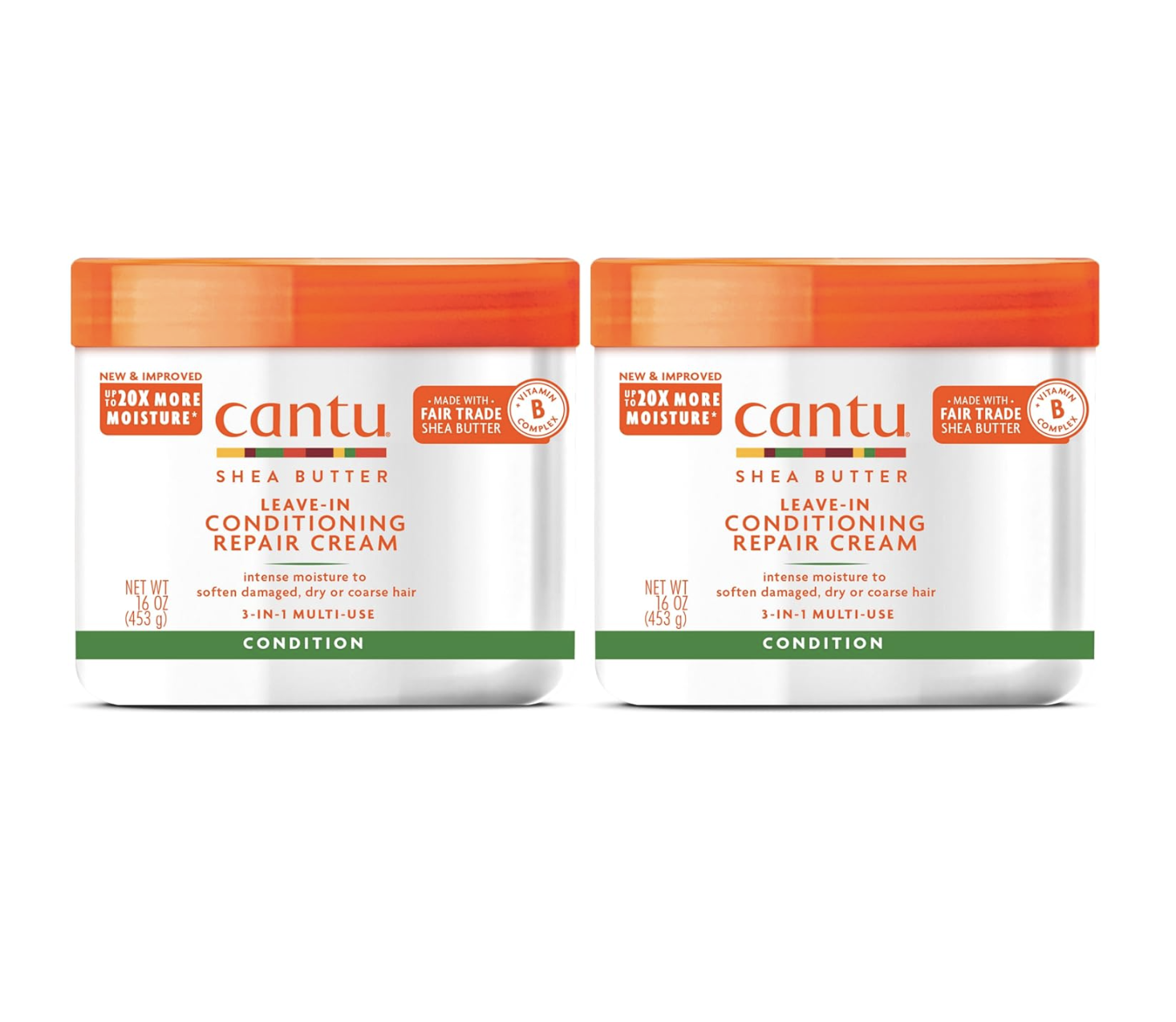
Cantu Shea Butter Leave-In Conditioning Repair Cream
Best for: Type 3B-4C • ~$6 for 16oz
Get It Here → Read our full review →The rich shea butter formula in this Cantu leave-in is exactly what 3C curls crave. Where this product can weigh down wavy or looser 3A hair and leave it looking flat, 3C curls drink it up completely. The tight curl pattern needs that level of richness to stay moisturized between wash days.
Apply it generously to soaking wet hair right out of the shower - section by section, raking it through from roots to ends. The 16oz container for around $6 is genuinely unbeatable value, especially given how much product 3C curls need per application. This is a leave-in that rewards generosity - don't be stingy with it.
Use it as the "cream" step in your LOC or LCO routine, then layer gel on top for hold. On its own without a gel it can feel soft but undefined, especially in humid weather.
Pros: Exceptional moisture for tight curl types, outstanding value per ounce, widely available at drugstores and big-box stores. Cons: Too heavy for wavy or fine 3A hair - this is specifically a product for 3B and up. Apply to soaking wet hair only, not damp or dry.
Curious how Cantu stacks up against other brands for your curl type? See our SheaMoisture vs Cantu comparison and our Mielle vs Cantu breakdown.
2. Eco Styler Olive Oil Gel - Best Gel
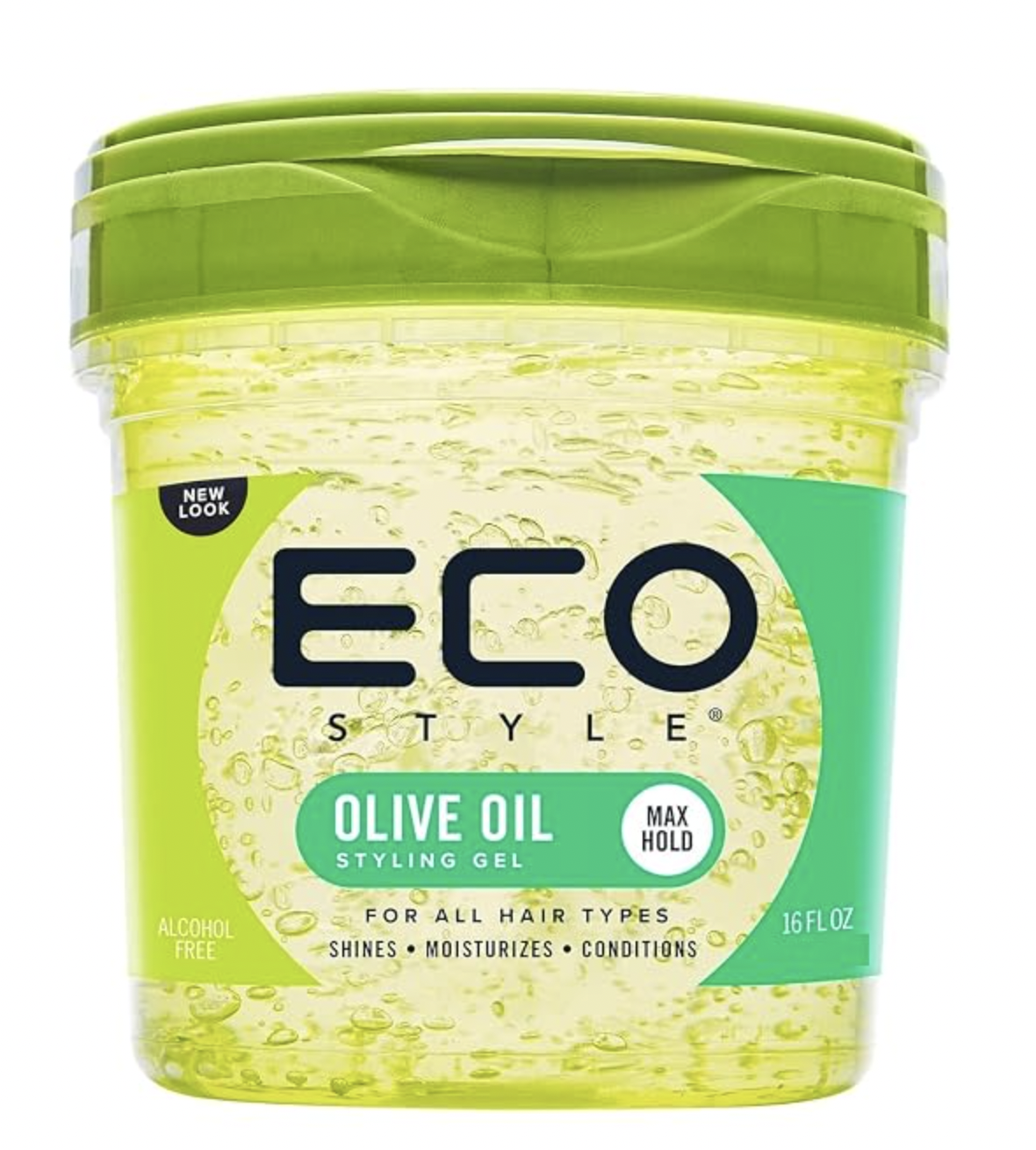
3C curls need strong hold to maintain definition through drying and into the next day. Lightweight gels designed for wavy hair rarely deliver enough staying power. Eco Styler Olive Oil Gel does. It creates a firm cast as your hair dries that locks in the curl pattern - and when you scrunch out the crunch once your hair is completely dry, you get bouncy, defined corkscrews that last.
Apply it over your leave-in on soaking wet hair. Use a generous amount and scrunch it upward through sections. The olive oil formula has just enough conditioning that it doesn't feel drying on tighter curl types - a slight advantage over the original clear Eco Styler, which can feel a touch more stripping on 3C and up.
New to the gel cast? Don't panic when your hair dries hard and crunchy - that's the point. The cast is protecting your curl pattern as it dries. Once the hair is 100% dry, scrunch it out with your hands and the softness comes through. Our guide on how to scrunch out the crunch covers this technique in full.
Pros: Unbeatable price, strong hold, no silicones, widely available, works on all curl types 3A-4C. Cons: Requires a proper scrunch-out - skip this step and your hair stays hard. Not the most moisturizing gel on its own, which is why layering it over a rich leave-in matters.
3. Mielle Rosemary Mint Scalp & Hair Strengthening Oil - Best Scalp Oil
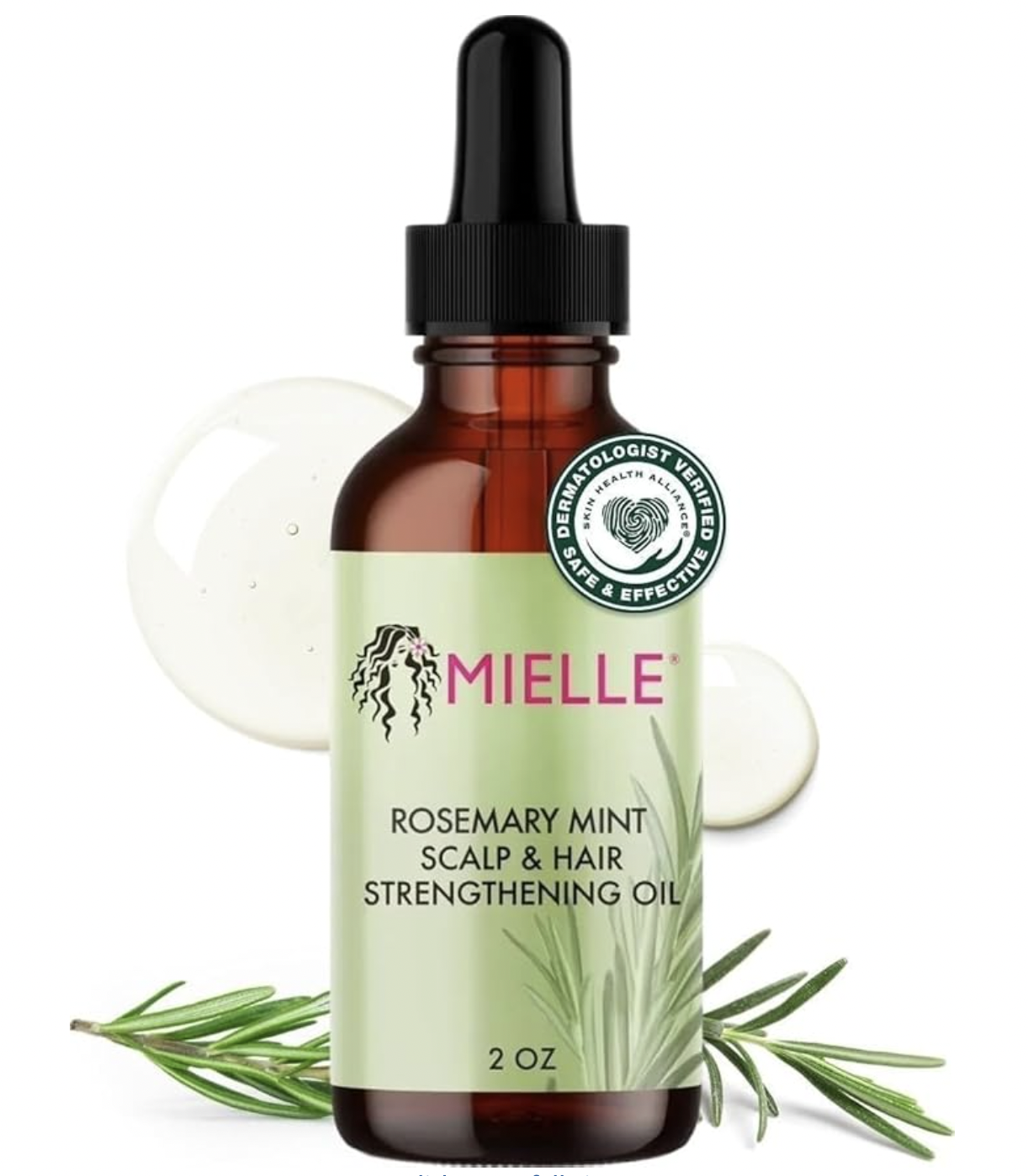
Mielle Rosemary Mint Scalp & Hair Strengthening Oil
Best for: All curl types • ~$10 for 2oz
Get It Here → Read our full review →3C hair is typically washed once a week - less frequently than looser curl types. That means scalp health between wash days matters more. The Mielle Rosemary Mint Oil is formulated specifically for the scalp: it soothes, hydrates, and promotes healthy growth with a rosemary and mint formula that has real research backing the rosemary's effectiveness for hair density.
The key is application: apply directly to the scalp in sections, not all over the hair length. Use a dropper or your fingertips to work it into the scalp and follow with a light massage. On the hair length itself, a small amount can be used on ends as the "oil" step in your LOC routine - but scalp application is where this product earns its place.
The tingle from the mint is satisfying and signals the scalp circulation benefits are working. Use 2-3 times between wash days, especially if you experience any scalp dryness or itchiness.
Pros: Targeted scalp benefits, research-backed rosemary ingredient, versatile (scalp + ends), pleasant scent. Cons: Small bottle for the price. Apply sparingly to avoid product buildup on the scalp over time.
4. Mielle Rosemary Mint Hair Masque - Best Deep Conditioner
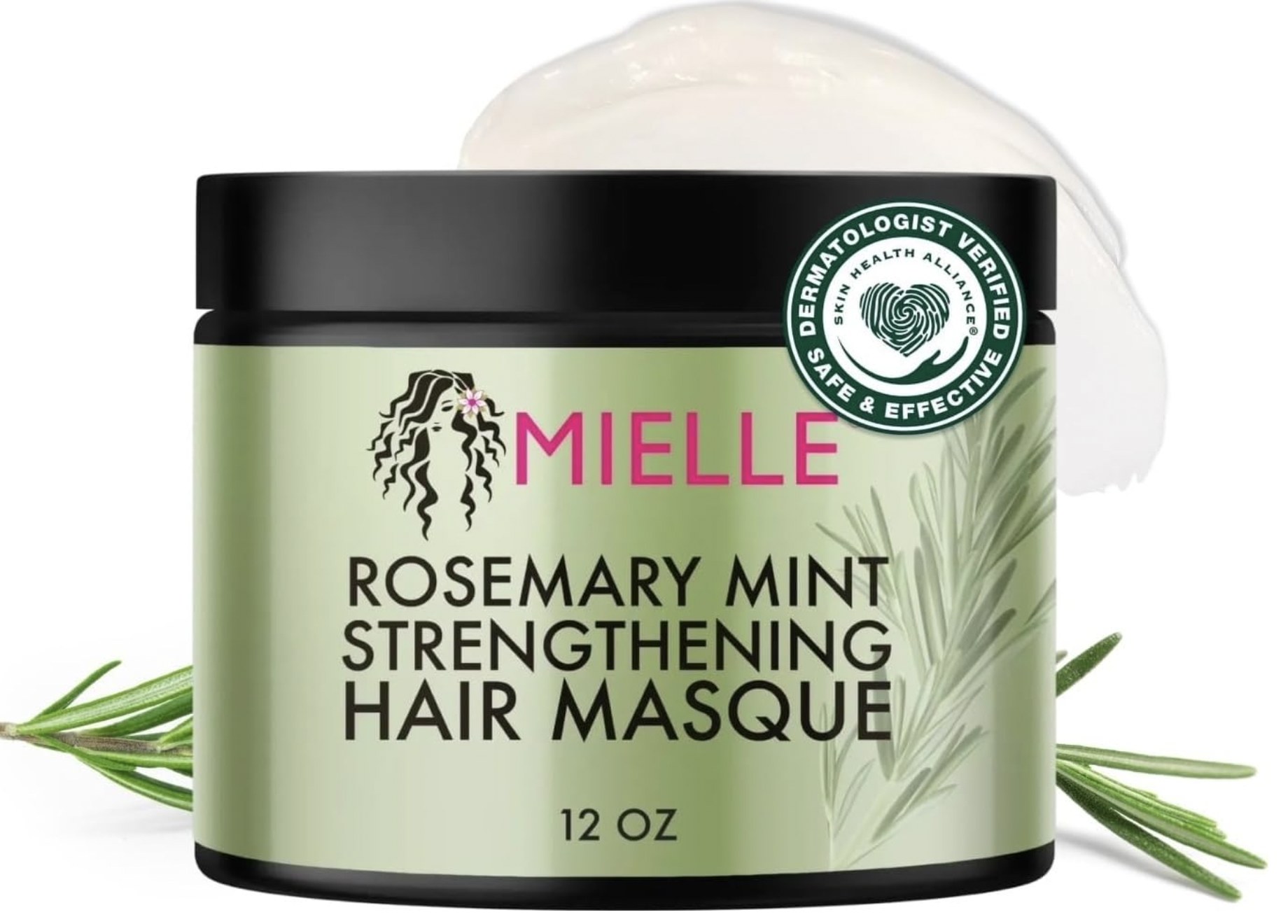
Mielle Rosemary Mint Hair Masque
Best for: Type 3B-4C • ~$12 for 12oz
Get It Here → See all top Mielle picks →Deep conditioning is non-negotiable for 3C curls - every single wash day, not occasionally. The tight corkscrew pattern that makes 3C hair so beautiful also makes it structurally prone to dryness and breakage. A weekly deep conditioning treatment is the single most impactful routine change you can make if you're not doing it already.
The Mielle Rosemary Mint Hair Masque penetrates tight curl patterns effectively and restores moisture where a regular rinse-out conditioner can't reach. Use it after shampooing on freshly washed hair - apply generously from ends to roots, cover with a plastic cap, and sit under a hooded dryer or heat cap for 20-30 minutes. Heat opens the cuticle and allows deeper penetration. Rinse with cool water to seal.
The consistent result over weekly use is softer, more elastic, more defined 3C curls that hold their pattern longer and experience less breakage. This isn't a luxury add-on for 3C hair - it's maintenance.
Pros: Excellent penetration on tight curl patterns, consistent moisture improvement, works well with heat, good ingredient list. Cons: Best results require heat application, which adds time to wash day. Apply consistently every week - occasional use won't produce the same cumulative results.
5. SheaMoisture JBCO Strengthen & Restore Shampoo - Best Shampoo
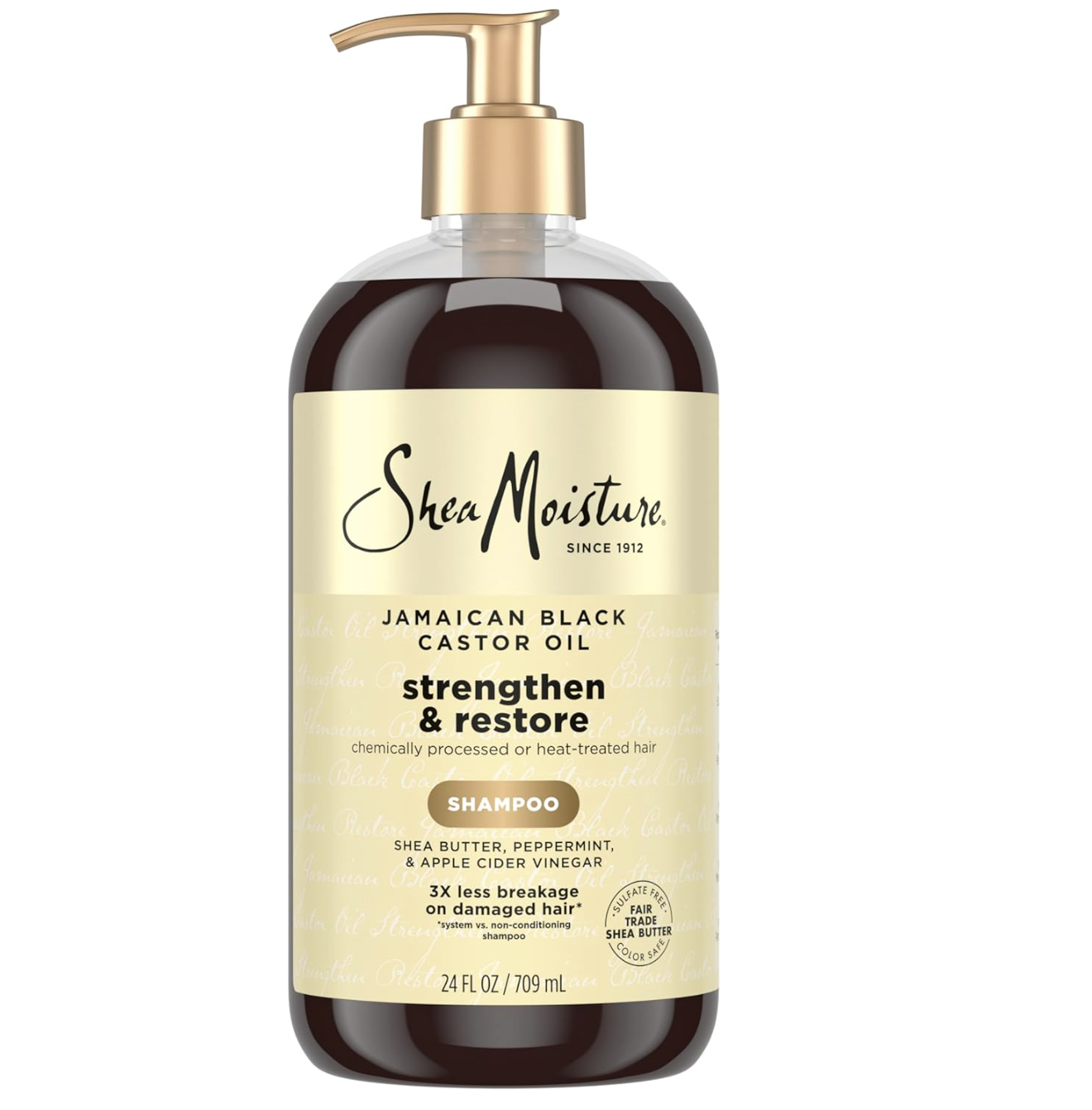
SheaMoisture Jamaican Black Castor Oil Strengthen & Restore Shampoo
Best for: Type 3C-4C • ~$12 for 13oz
Get It Here → SheaMoisture vs Cantu comparison →3C hair needs a shampoo that does two things simultaneously: actually cleanse the scalp of product buildup and shed skin, but not strip the natural oils that these curls depend on for moisture and definition. Most conventional shampoos with sulfates do the first job while destroying the second. This SheaMoisture formula gets both right.
The Jamaican Black Castor Oil formula is sulfate-free but still genuinely cleanses - it won't leave residue or the "film" feeling that some gentle shampoos produce. The castor oil adds moisture as it cleanses, which matters on 3C hair that already trends dry. Use it once a week on wash day, working it through the scalp with fingertips (not fingernails), letting the lather rinse down the lengths.
If you've been using heavy products all week - gels, butters, oils - consider a monthly clarifying wash with a proper clarifying shampoo before returning to this one. Buildup is worse on tight curl patterns because product accumulates more easily in the dense curl structure.
Pros: Moisturizing and cleansing in one, sulfate-free formula, designed for tighter curl types, strengthening castor oil ingredient. Cons: Not strong enough to remove heavy silicone buildup - pair with a clarifying shampoo monthly if you use silicone-containing products.
6. Denman D3 Original Styler - Best Styling Tool
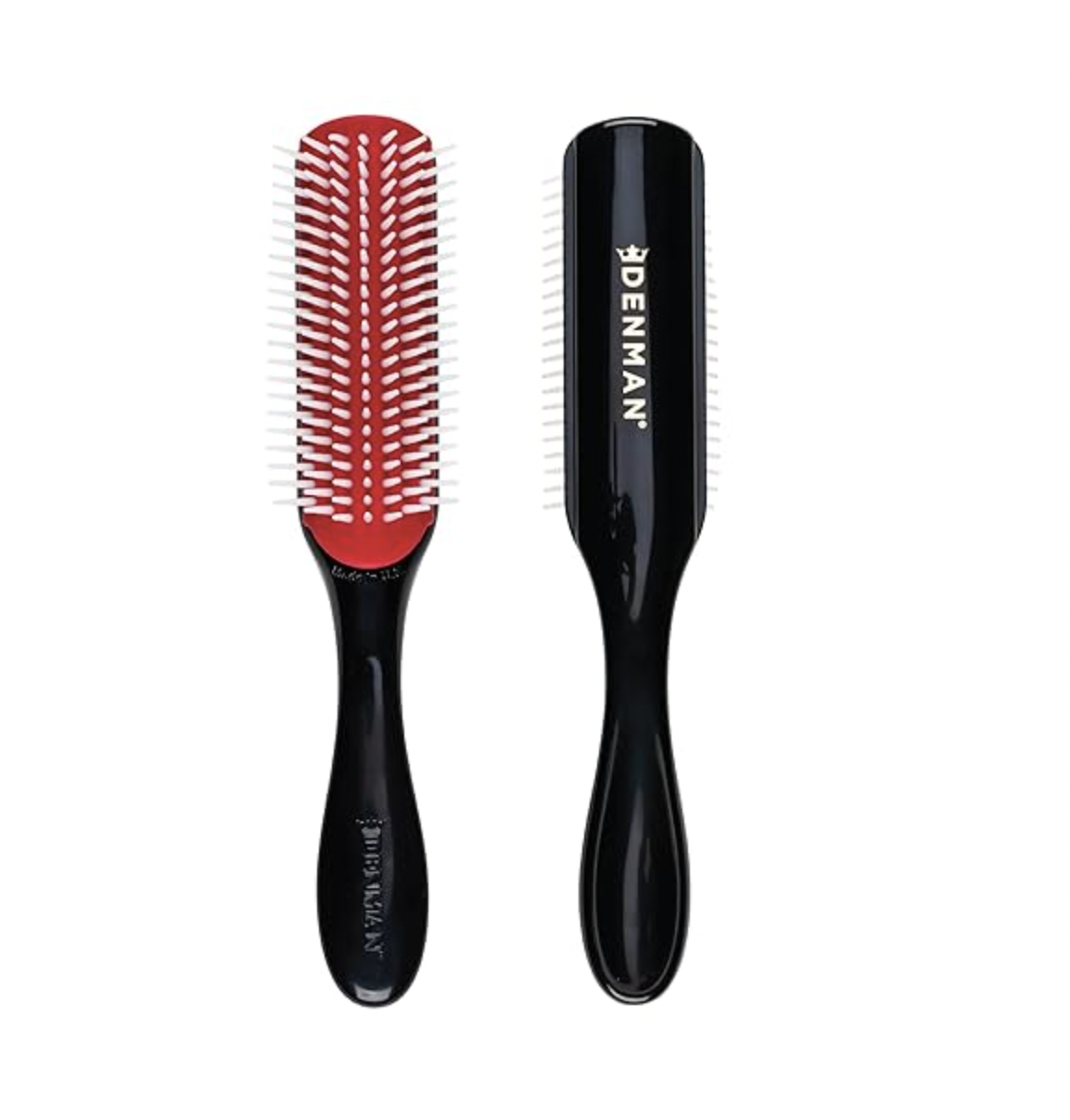
The Denman D3 creates incredible definition on 3C curls. The 7-row nylon pin design rakes through product-loaded wet hair and encourages individual corkscrews to form tight, uniform clumps - the kind of separation and definition that's hard to achieve with fingers alone. Many 3C curlies consider this their most important styling tool.
Technique matters: use it only on soaking wet, product-saturated hair. Work in sections - rake the brush through from root to tip, then curl the brush under at the end of each stroke to encourage the curl to close on itself. The result is tight, defined, separated corkscrews that hold their shape through the drying process.
3C hair users sometimes remove one or two rows of bristles to reduce tension and the risk of breakage. If you find the brush causes too much pulling, try this modification. Never use the Denman on dry or even damp hair - it will cause frizz and breakage. Wet application only.
Pros: Excellent corkscrew definition, durable and long-lasting, works across 3A-4A curl types, widely trusted in the curly hair community. Cons: Learning curve - takes a few wash days to get the technique right. Can cause breakage if used without enough product slip or on anything less than soaking wet hair.
For a full breakdown of technique and results, see our Denman D3 brush review. If you're choosing between the Denman and a different styling brush, our Denman vs Wet Brush comparison covers the differences in detail.
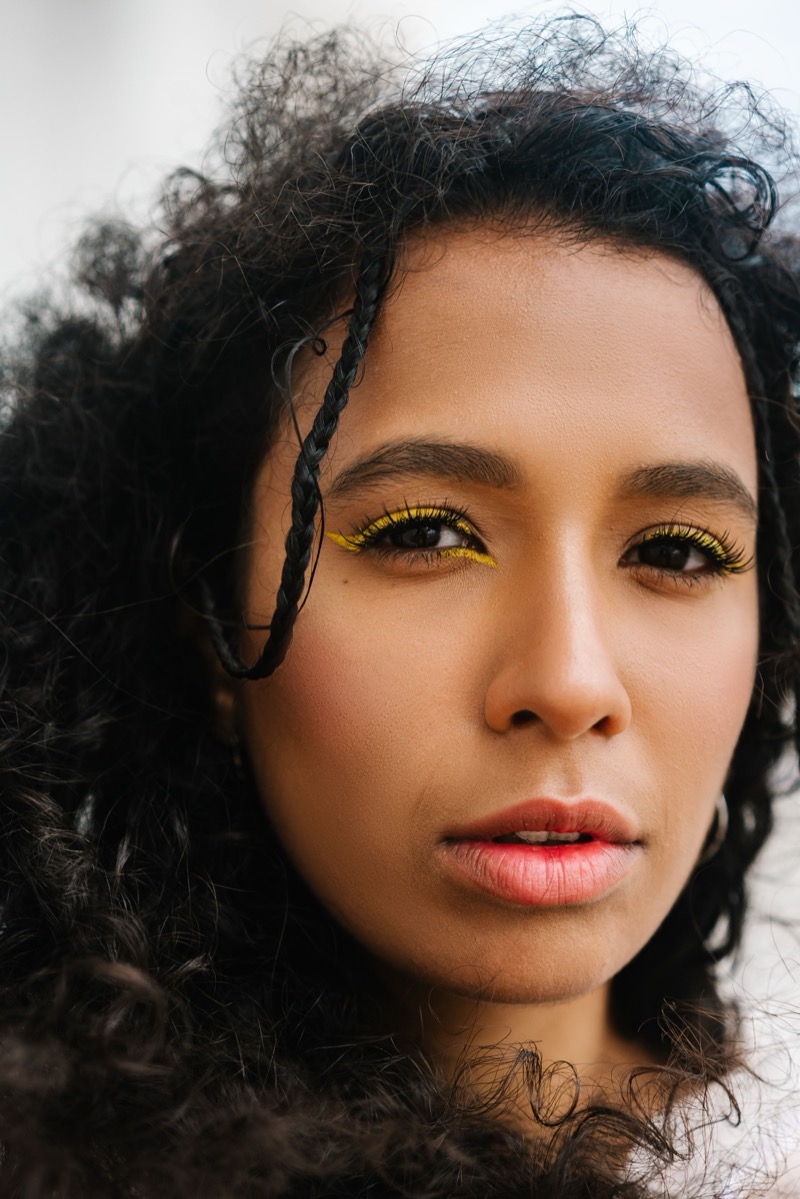
What to Avoid with 3C Curls
The right products matter, but avoiding the wrong ones matters just as much. These are the most common mistakes for 3C hair:
- Lightweight wavy-hair products. Products designed for 2A-2C wavy hair don't have enough moisture or hold for 3C curls. If you've been using the same gel or leave-in as your wavy-haired friends and wondering why your results are frizzy and undefined, this is likely the reason. 3C needs richer formulas.
- Silicone-heavy products without clarifying. Non-water-soluble silicones build up faster on tight curl patterns because product accumulates more easily in the dense curl structure. If you use silicone-containing products, you must clarify with a proper clarifying shampoo monthly to reset buildup. Signs of buildup: curls look dull, products stop working, hair feels coated.
- Skipping deep conditioner. This one cannot be stressed enough. Occasional deep conditioning produces little result - the benefits are cumulative. Once a week, every wash day, with heat. Non-negotiable for 3C curl health.
- Heat without protectant. 3C hair is more fragile than 3A or 3B because the tight coil creates more points of structural weakness along each strand. If you diffuse (which is fine and encouraged), use a heat protectant. Direct flat iron or curling iron use without protectant will cause damage that takes months to grow out.
- Overwashing. 3C curls do not need daily washing. The tight curl pattern makes it very difficult for natural scalp oils to travel down the hair shaft - washing too frequently strips those oils before they can reach the lengths. Once a week is the standard for most 3C routines. Co-washing mid-week is fine if your scalp needs refreshing.
- Applying products to dry or damp hair. All 3C products should go on soaking wet hair. The water already in the hair shaft is what products lock in. Applying to damp or dry hair distributes product unevenly and causes frizz.
Putting It All Together - A 3C Wash Day Routine
Here's a complete wash day routine using the products above:
- Clarify (monthly): Use a clarifying shampoo once a month to remove silicone, product, and mineral buildup that accumulates in tight curl patterns. Skip this step on normal weeks.
- Shampoo (weekly): Use the SheaMoisture JBCO Shampoo on your scalp. Work it in with fingertip pressure, let the lather rinse down the lengths. Follow immediately with conditioner to prevent drying.
- Deep condition (weekly): Apply the Mielle Rosemary Mint Hair Masque from ends to roots. Cover with a plastic cap and sit under a heat cap or hooded dryer for 20-30 minutes. Rinse with cool water.
- Apply leave-in (LOC method): On soaking wet hair, apply Cantu Leave-In generously section by section. This is your L (liquid/leave-in) step. If you're doing LOC, follow with a small amount of Mielle Scalp Oil on the ends as your O (oil) step.
- Define with Denman: Use the Denman D3 on each wet, product-coated section to encourage corkscrews to form.
- Apply gel: Scrunch Eco Styler Olive Oil Gel through each section over the leave-in. Use enough that hair feels well-coated - 3C curls can handle more gel than you think.
- Plop: Wrap hair in a microfiber towel or old t-shirt for 15-20 minutes to absorb excess water without disturbing the curl pattern.
- Diffuse: Use a diffuser attachment on low heat and low speed. Cup sections upward into the diffuser and hold until mostly dry. Finish with an air dry if possible.
- Scrunch out the crunch (SOTC): Once hair is 100% dry, scrunch sections upward with your hands to break the gel cast. Your curls will soften while keeping their shape.
Between wash days, refresh with a spray bottle of water and a tiny amount of the Mielle Scalp Oil scrunched into ends. This revives curl definition without a full wash. For a full beginner walkthrough, see our complete beginner's curly hair routine.
Frequently Asked Questions
What curl type is 3C?
3C curls are tight, pencil-width corkscrews packed densely together - the tightest of the type 3 family. They have massive volume, significant shrinkage (up to 50%), and are very prone to dryness and frizz. These curls need rich moisture products and strong hold to stay defined.
How is 3C different from 4A?
3C has a defined S-shaped or corkscrew pattern while 4A has a tighter coil or spring pattern. 3C tends to be shinier, 4A tends to be more matte. There is significant product overlap between the two curl types - many products recommended for 3C also work well on 4A.
Should 3C hair use the LOC method?
Yes, the LOC method (Liquid, Oil, Cream) works very well for 3C hair by layering products to seal in moisture progressively. Some people prefer LCO (Liquid, Cream, Oil) instead - experiment with both orders to see which leaves your hair feeling more moisturized and defined after drying.
How much shrinkage does 3C hair have?
3C hair can shrink 40-50% from its stretched length. This is completely normal and is not a sign of damage - in fact, high shrinkage is often a sign of healthy, well-moisturized curl elasticity. Well-conditioned 3C hair will actually shrink more than dry, damaged 3C hair.